Europe
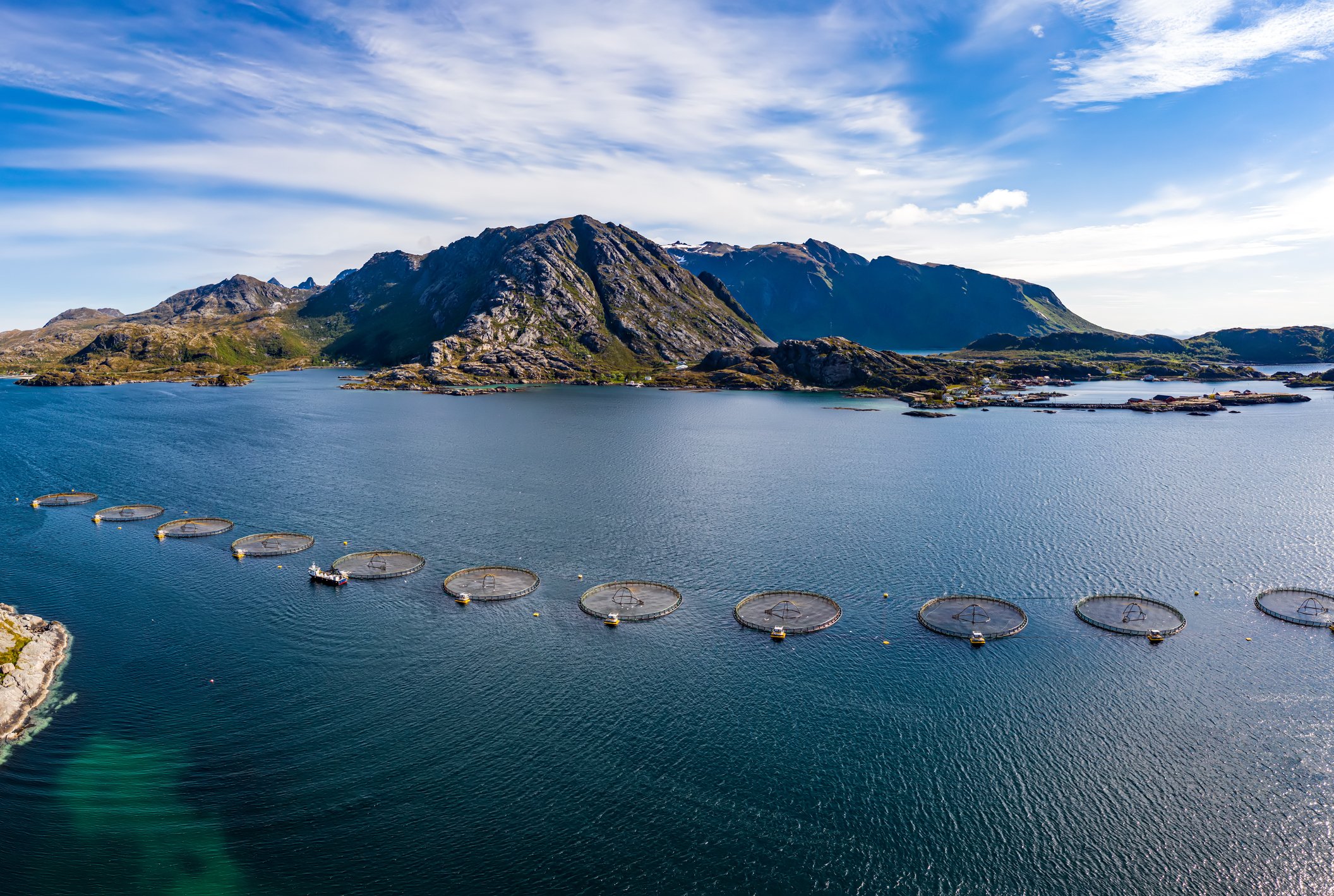
Communities across the NE Atlantic, Baltic Sea, Black Sea, and Mediterranean Sea are already experiencing negative impacts of climate change on habitat and biodiversity, fisheries and aquaculture, economies, cultural practices, and livelihoods.
Recent studies indicate climate-ocean change has negative consequences for species, such as Atlantic cod, and important habitats, such as cold-water corals. In the Mediterranean, effects are also already being observed, and further impacts are projected for species such as calcifying algae, temperate and deep-water corals, and sea urchins.
These impacts will worsen in the future without interventions from managers and decision makers across marine, coastal and climate policy themes.
To date, regional science coordination has emphasized enhancing coastal observations, establishing regional baselines, contributing to global indicators, and broadly developing research around keystone species.
Since 2023, the OA Alliance has been engaging with EU Member States, relevant Regional Seas Conventions, OA science networks and civil society stakeholders to advance specific recommendations that help European governments take OA Action.
The EU Stakeholder Working Grorup includes participation from 5 Ministries, 3 Regional Seas Conventions, 2 Regional OA Monitoring Networks (the Northeast Atlantic and Mediterranean), 5 National Marine institutes, and 4 NGOs across Europe.
Together, the working group has developed policy guidance for how ocean acidification information can be incorporated into country assessments of Good Environmental Status of Marine Waters as reported through the EU Marine Strategy Framework Directive (MSFD) a common directive shared across Europe. The OA Alliance was recently invited to become a member of the European Expert Group on the Strategic Coordination for the Marine Strategy Framework Directive. In this capacity the OA Alliance responded to the call for input to the EU’s premier ocean initiative of 2025, the Ocean Pact.
We are leading discussions with the EU Commission and Member States on best approaches to be taken for applying the MSFD and strengthening the EU Ocean Pact in the context of climate change.

OA Alliance Contact:
Inken Dressler, European Project Lead | Email: IDressler@UNFoundation.org
Policy Guidance
-
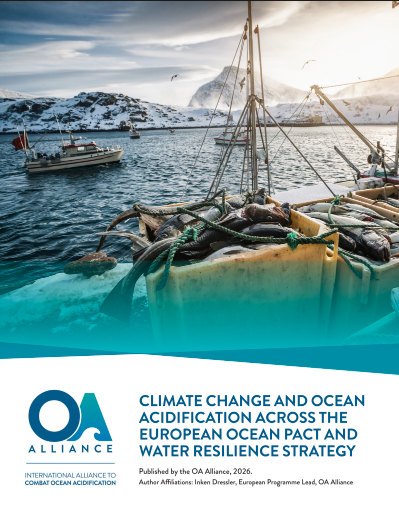
Climate Change and Ocean Acidification across the European Ocean Pact and Water Resilience Strategy
Published by the OA Alliance, 2026. Author Affiliations: Inken Dressler, European Programme Lead, OA Alliance
-

Ocean Acidification Components for Monitoring Programmes Under the MSFD, 2025.
-

Incorporating Ocean Acidification across the EU Marine Strategy Framework Directive, 2025
-
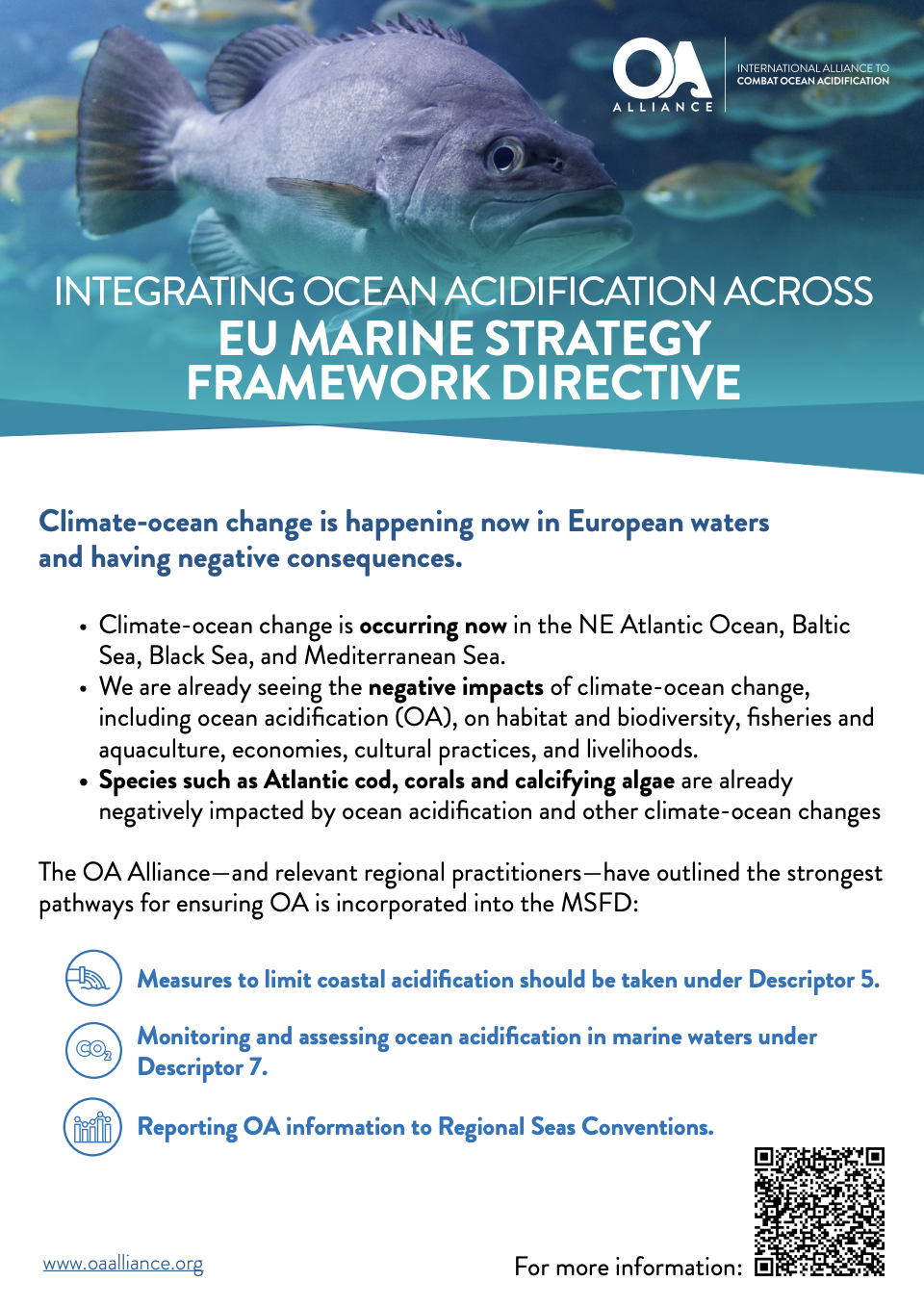
MSFD Ocean Acidification Communications Flyers, 2025
-
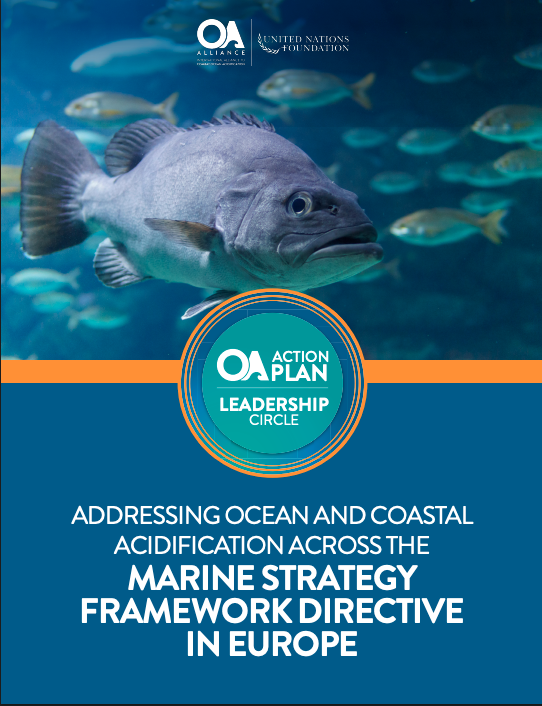
Incorporating OA Across the EU Marine Strategy Framework Directive, 2024
-

European Governments can address Ocean Acidification, 2024
-

Understanding European Conventions and Directives to address Ocean Acidification, 2023
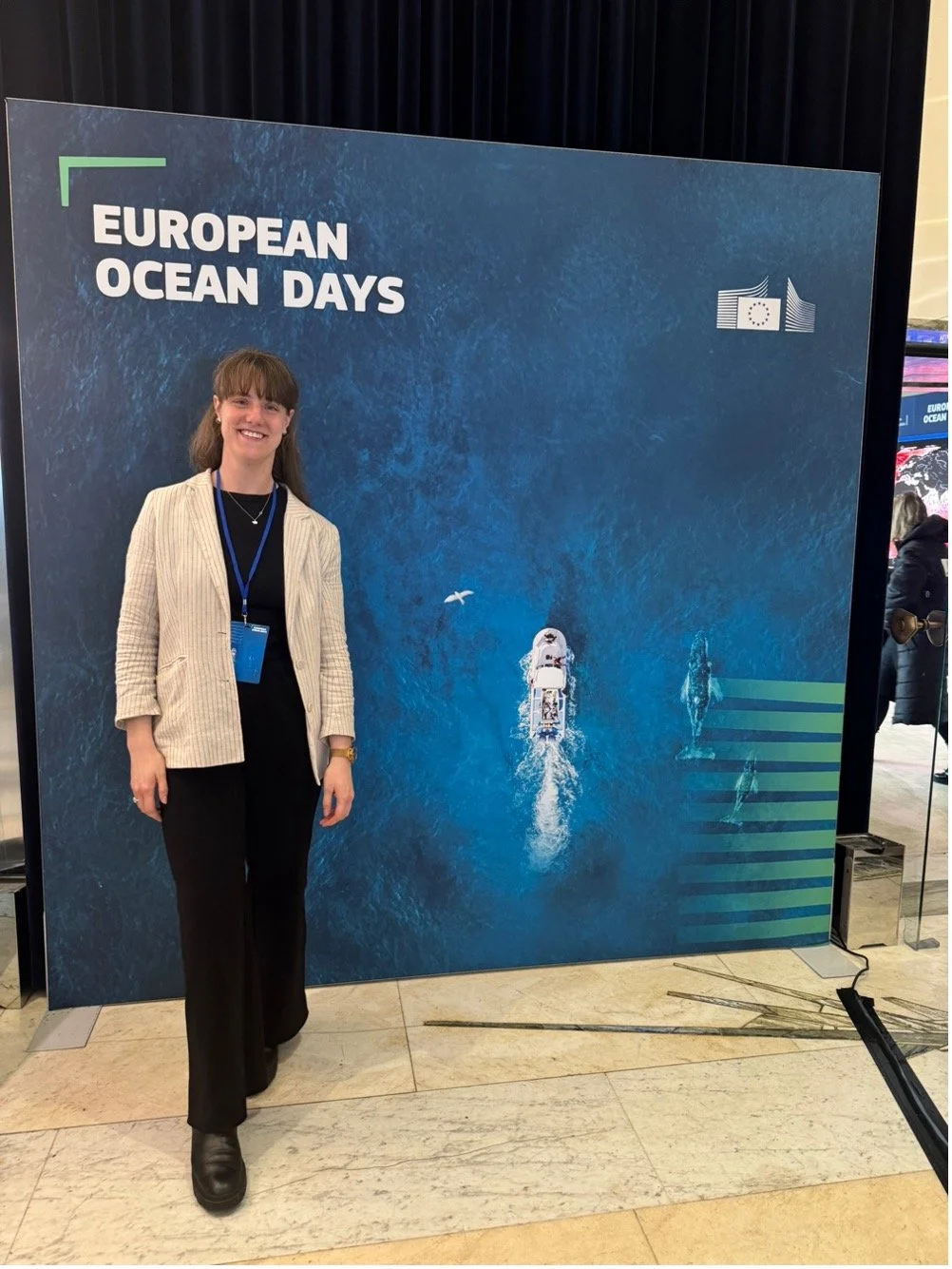
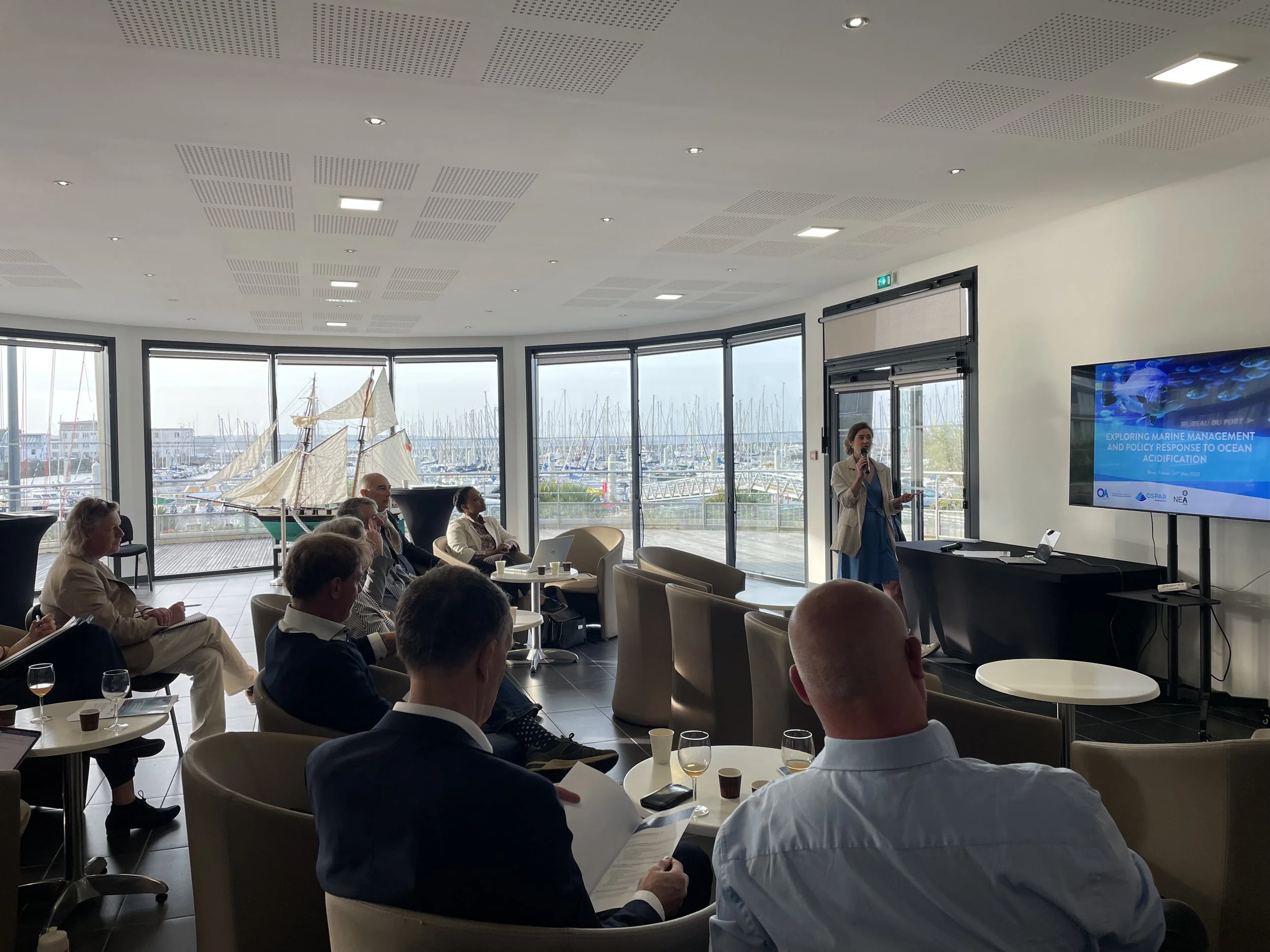
Submissions to the EU Commission
-

Input from the International Alliance to Combat Ocean Acidification to the Fisheries and Aquaculture – Vision 2040, March 2026
-

Input from the International Alliance to Combat Ocean Acidification to the EU coastal communities strategy, March 23
-
Incorporating Ocean Acidification Into The Revised Marine Strategy Framework Directive - Submission To The European Commission’s Call For Evidence, March 2026
-
Incorporating Ocean Acidification into the European Ocean Act - Submission to the European Commission’s call for evidence, February 2026
-

Incorporating Ocean Acidification into the European Ocean Pact - Submission to the European Commission’s call for evidence, February 2025