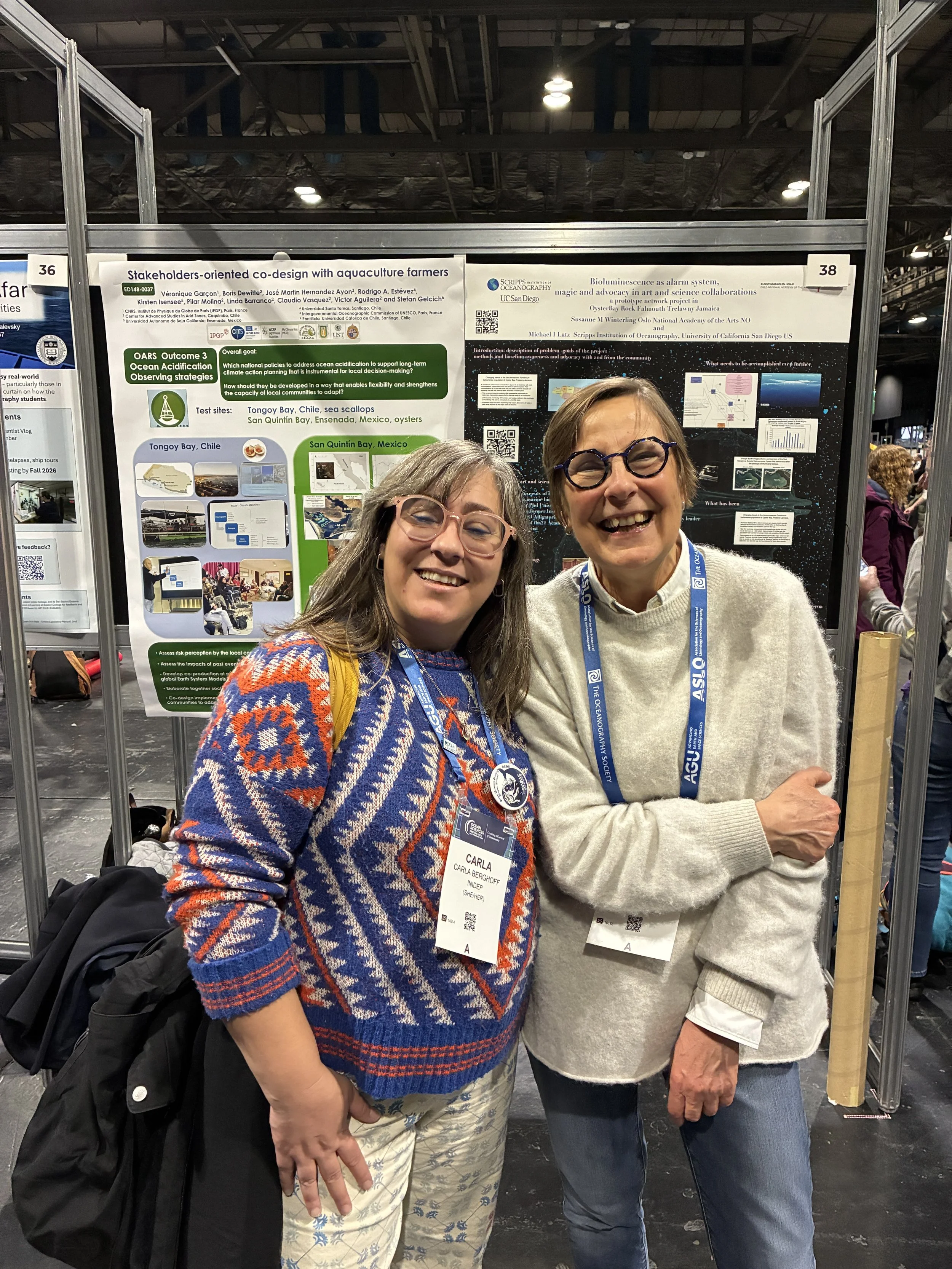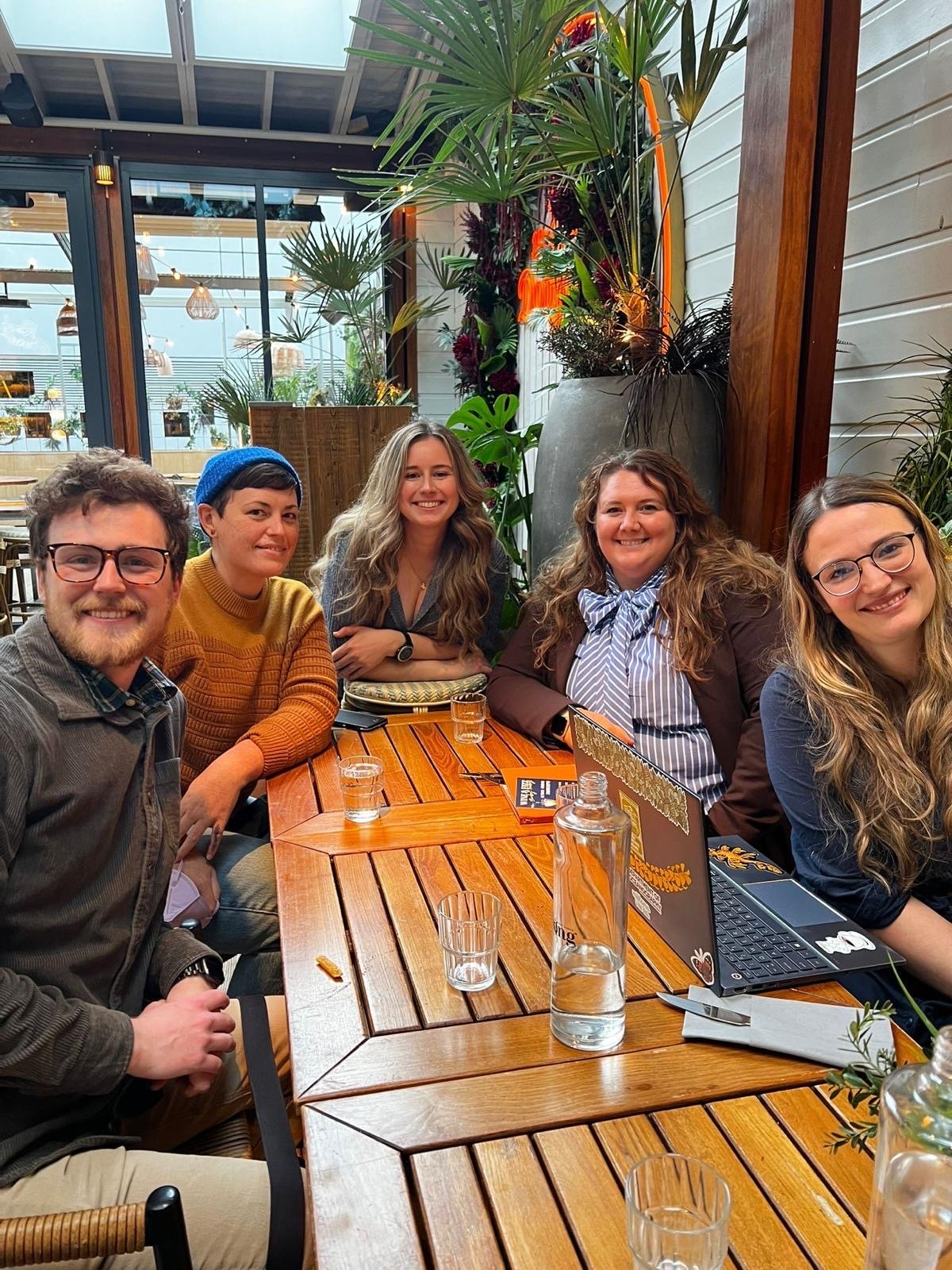
The 2026 Ocean Sciences Meeting (OSM) was hosted at the Scottish Event Center in Glasgow, Scotland from February 23 - 27. As the flagship global conference for the ocean sciences, OSM provided an opportunity for the OA Alliance to connect directly with peers and leading experts in the scientific community to build relationships and stay up to date on the latest ocean and coastal acidification research.
Among the bustle of this year’s plenaries, posters, and presentations, the OA Alliance celebrated the work of partner researchers affiliated with the Global Ocean Acidification Observing Network (GOA-ON), NOAA's Ocean Acidification Programme (OAP), Woods Hole Oceanographic Institute (WHOI), Virginia Institute of Marine Science (VIMS), and International Carbon Ocean Network for Early Career (ICONEC).
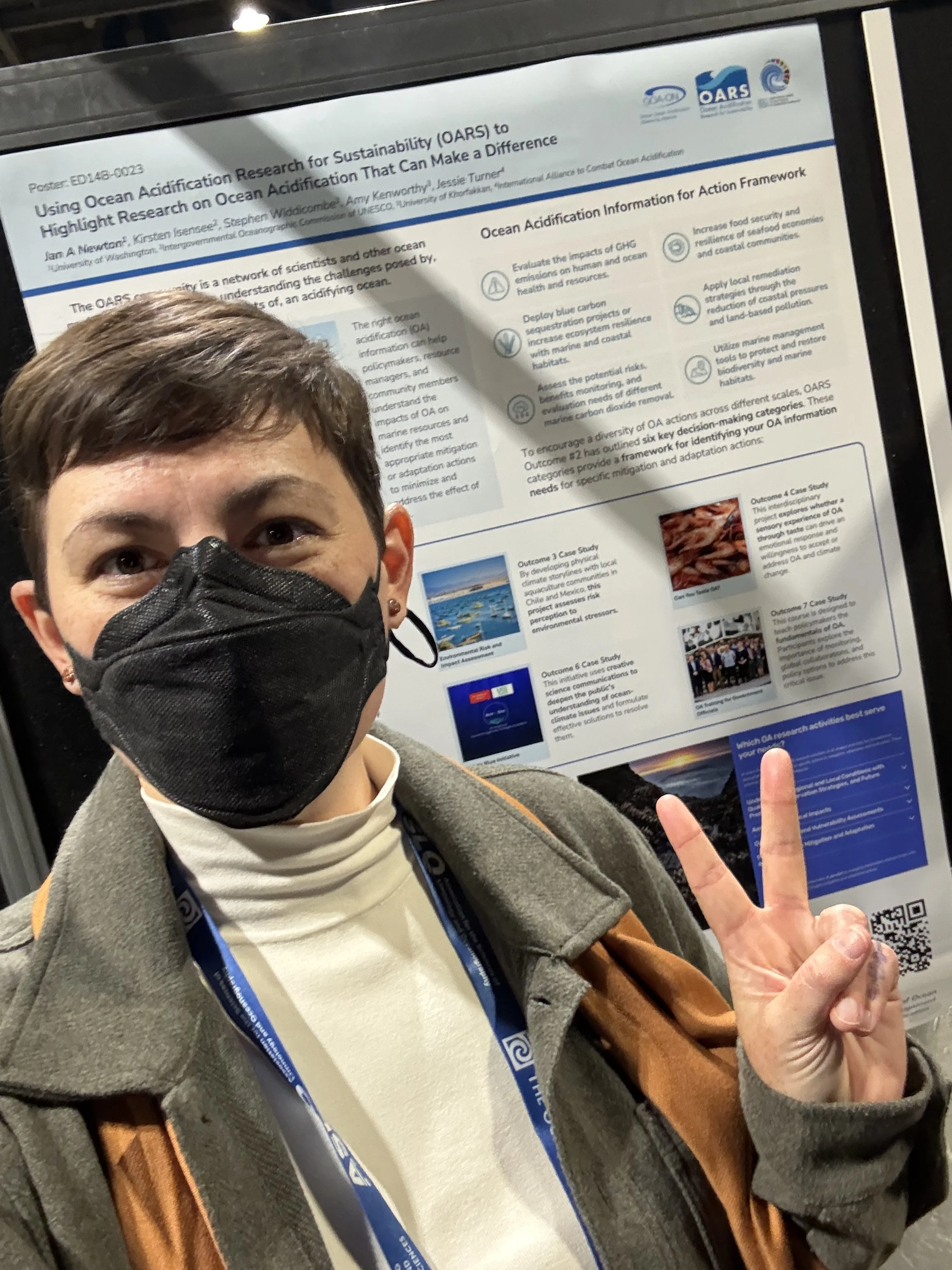
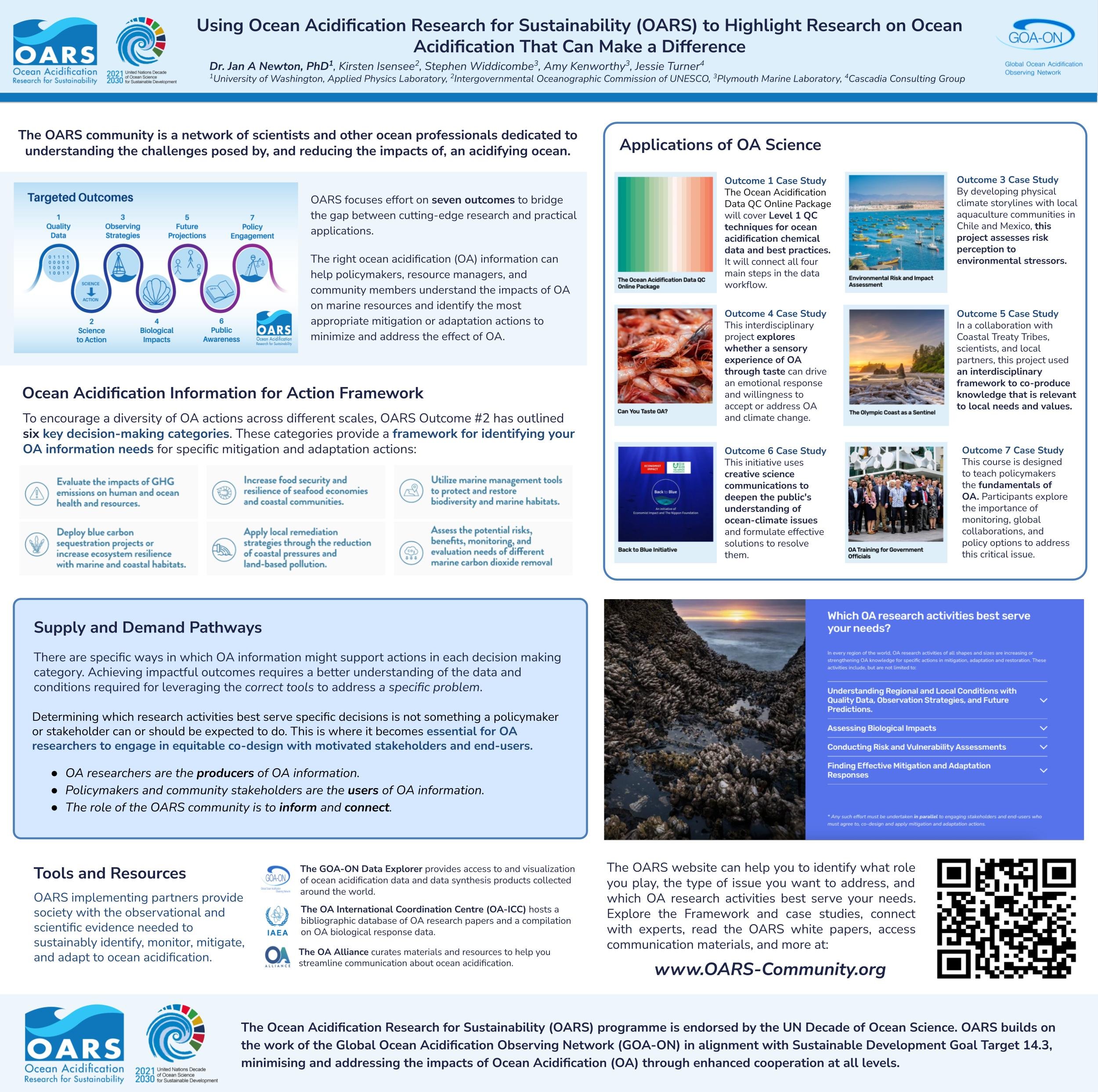
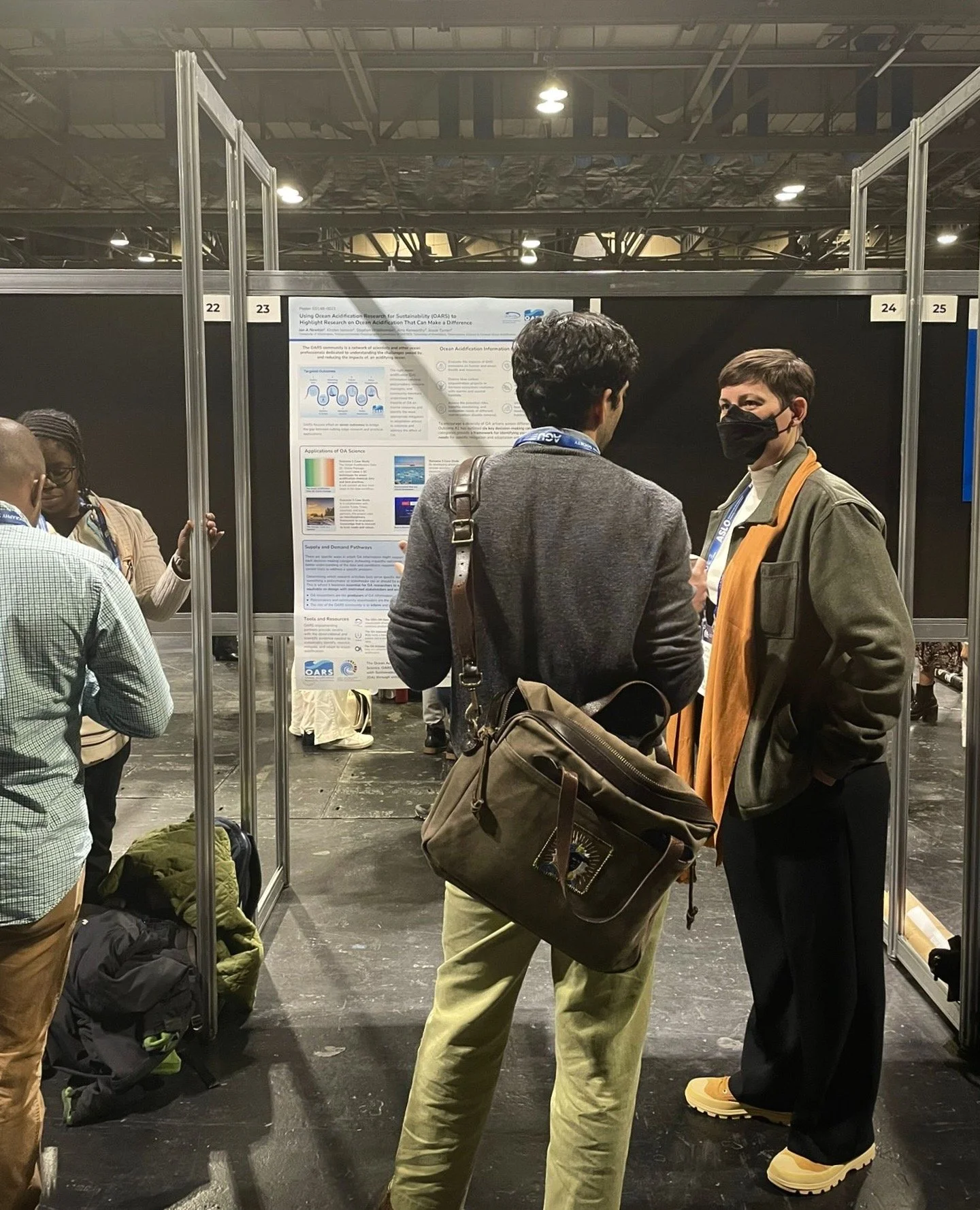
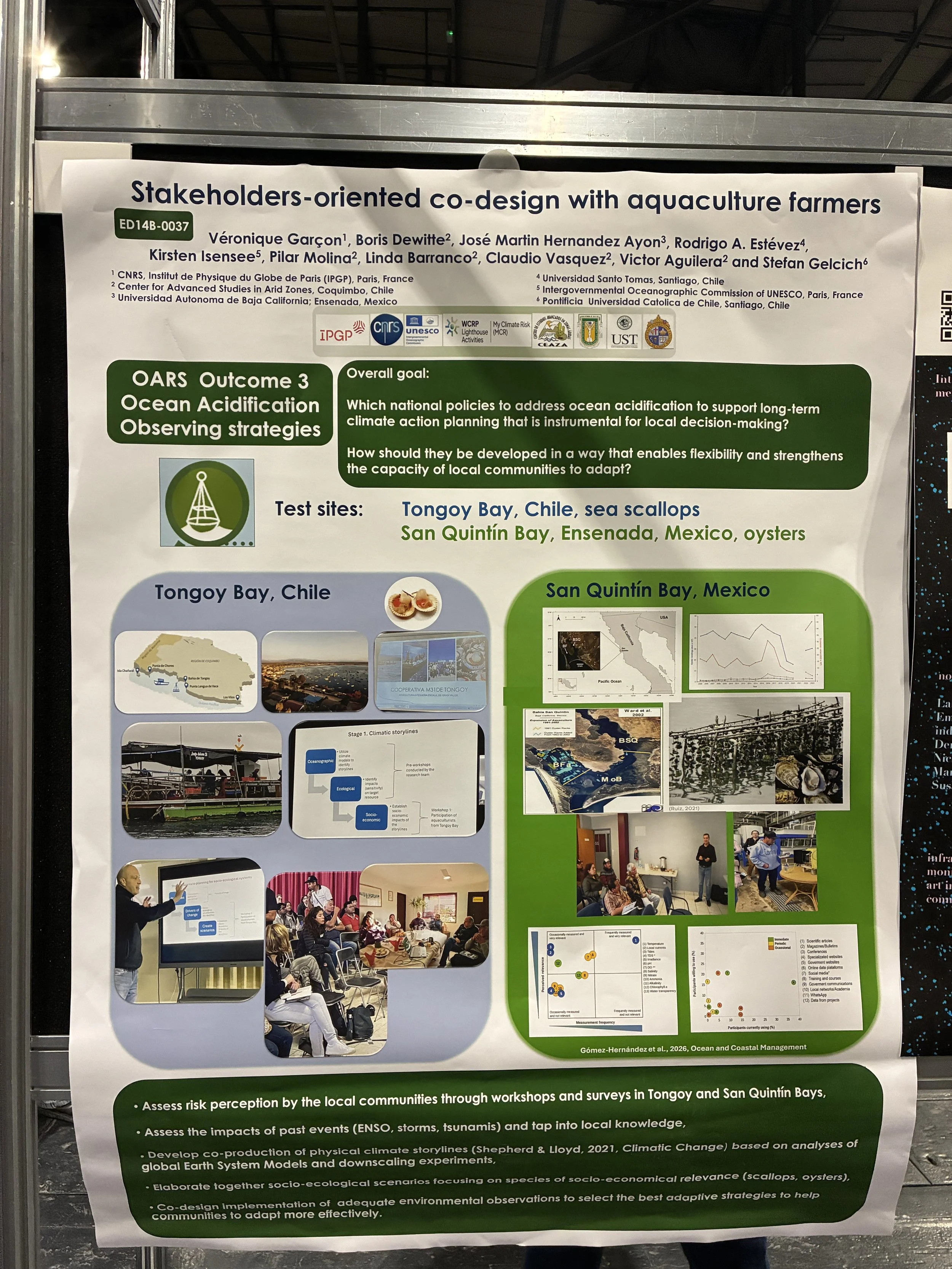
OA Alliance program manager, Edith Mari, participated in Monday’s poster session in support of the UN Decade of Ocean Science endorsed Ocean Acidification Research for Sustainability (OARS) programme, where she spoke with the broader ocean science community about the OARS Framework for Action. Ms. Mari was also invited to participate in the GOA-ON Executive Council meeting ahead of the conference, where members explored synergies with OARS to ensure regional OA information being produced by GOA-ON is actionable for decision-makers.
In another strong start to the week, Liz Perotti of NOAA’s Ocean Acidification Program, presented creative science communications strategies in a presentation titled Making the Invisible Visible: Communicating and Advancing Capacity of Overlooked and Undervalued Ocean Science. The OA Alliance’s OA StoryMaps project was touted as an example of successful collaboration with NOAA in presenting scientific information in unique and engaging ways for general audiences, in this case, visitors to aquariums in the United States.
“Without having an easily recognizable, charismatic spokesperson or icon, communicating ocean acidification science requires us to capitalize on new communication channels that focus on the impacts and response to OA instead of the chemistry.”
The OA Alliance also caught up with Dr. Adam Subhas of Woods Hole Oceanographic Institution, who traveled to OSM shortly after serving as a panelist in the OA Alliance’s recent webinar on mCDR and ocean acidification. Speaking about the importance of open-source OA data in his own work, Dr. Subhas made a simple, yet compelling point in advocating for the continued funding of publicly-available OA research.
“This data is invaluable. You never know who is going to come along and use it to make something really interesting, that can affect real change.”
In the context of climate change and the ever growing demands on our ocean and marine resources, OSM continues to be an important global convening for the ocean sciences community to ensure ongoing monitoring, science and research is actionable for decision making and benefits healthy oceans and people.
This is especially true for the OA Alliance, as we work to facilitate productive science to policy conversations on the topic of ocean acidification at local to global scales. We are proud of the hard-won work of our esteemed colleagues, and we strive to turn that valuable OA data into tangible policy action.