My personal experience at COP30 is something I will carry with me for the rest of my life. This was my first COP and only my second international conference, after attending UNOC3 in June. What made COP30 truly unique was the opportunity to be surrounded by people from around the world who are dedicated to imagining and building a better future for the Earth.
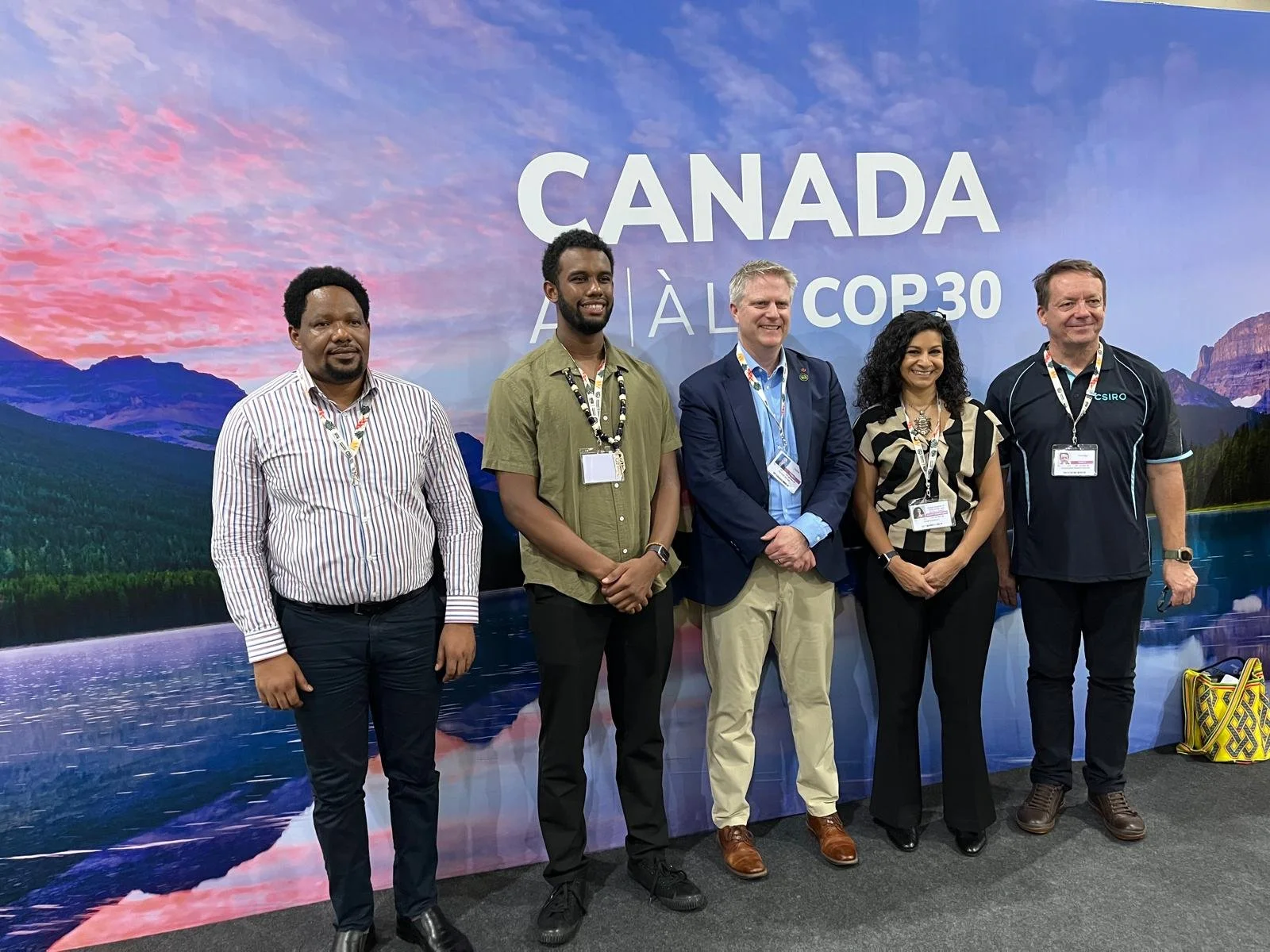
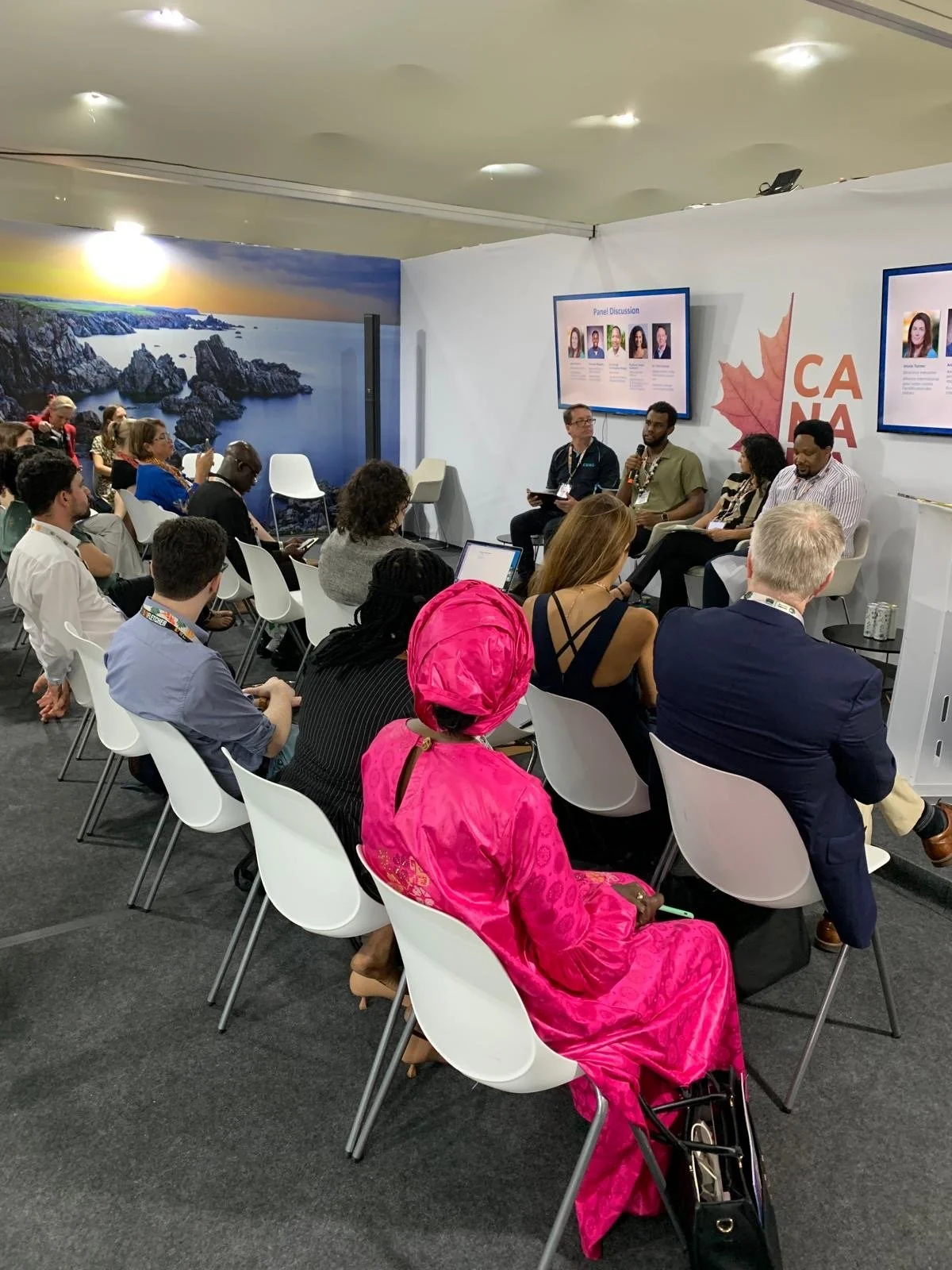
I had the honor of speaking on a panel in the Canadian Pavilion alongside leading experts in ocean acidification. These scientists and researchers brought diverse knowledge that reflects what is needed to address such a complex global issue. I shared how ocean acidification threatens the Makah Tribe at a local level, and how our community is working to protect our food security and food sovereignty in response.
Another highlight of my time at COP30 was attending the premiere of a film at the Cuban Pavilion. Even though I do not speak much Spanish, I could feel how deeply the message resonated with the audience. It was a powerful moment of connection across language and culture.
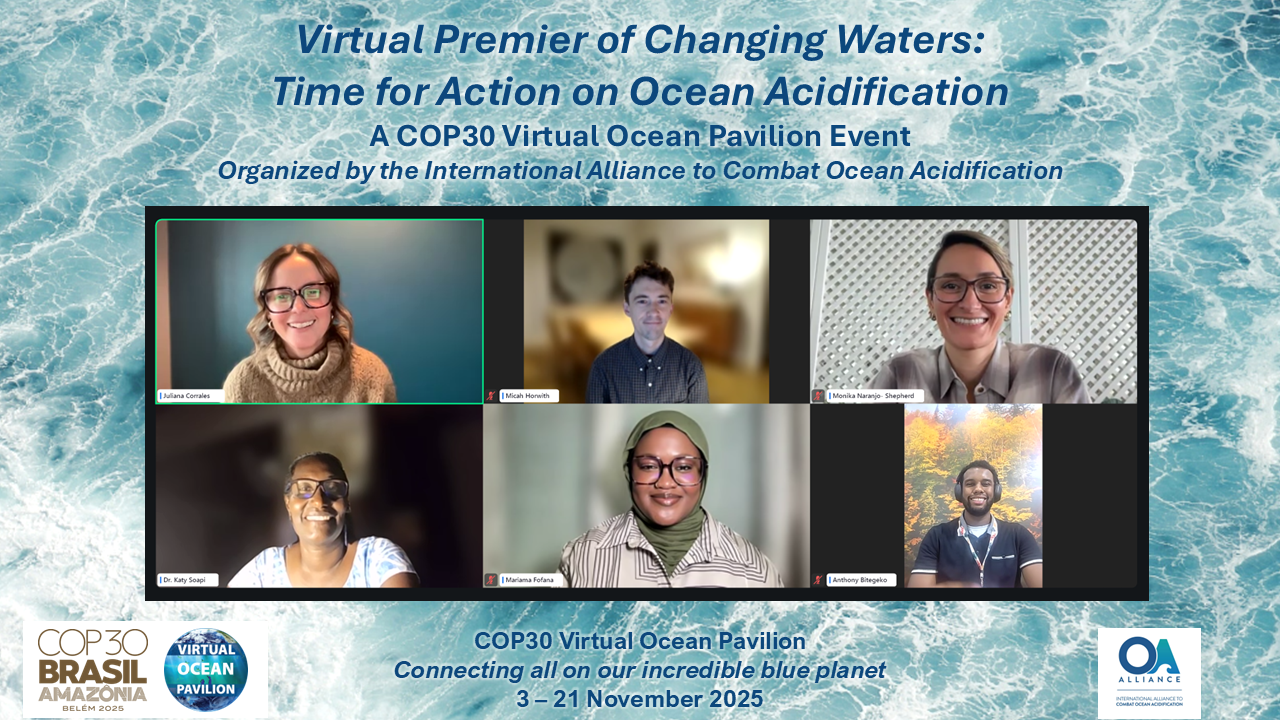
I also spoke at the Virtual COP Pavilion, they premiered the new short film 'Changing Waters: Time for Action on Ocean Acidification’. I explained how the OA Action Plan serves as our roadmap, connecting Makah knowledge with the global understanding of ocean acidification. Throughout this process, I realized how challenging and how important it is to finalize such a document while ensuring it remains a living one that can grow over time.
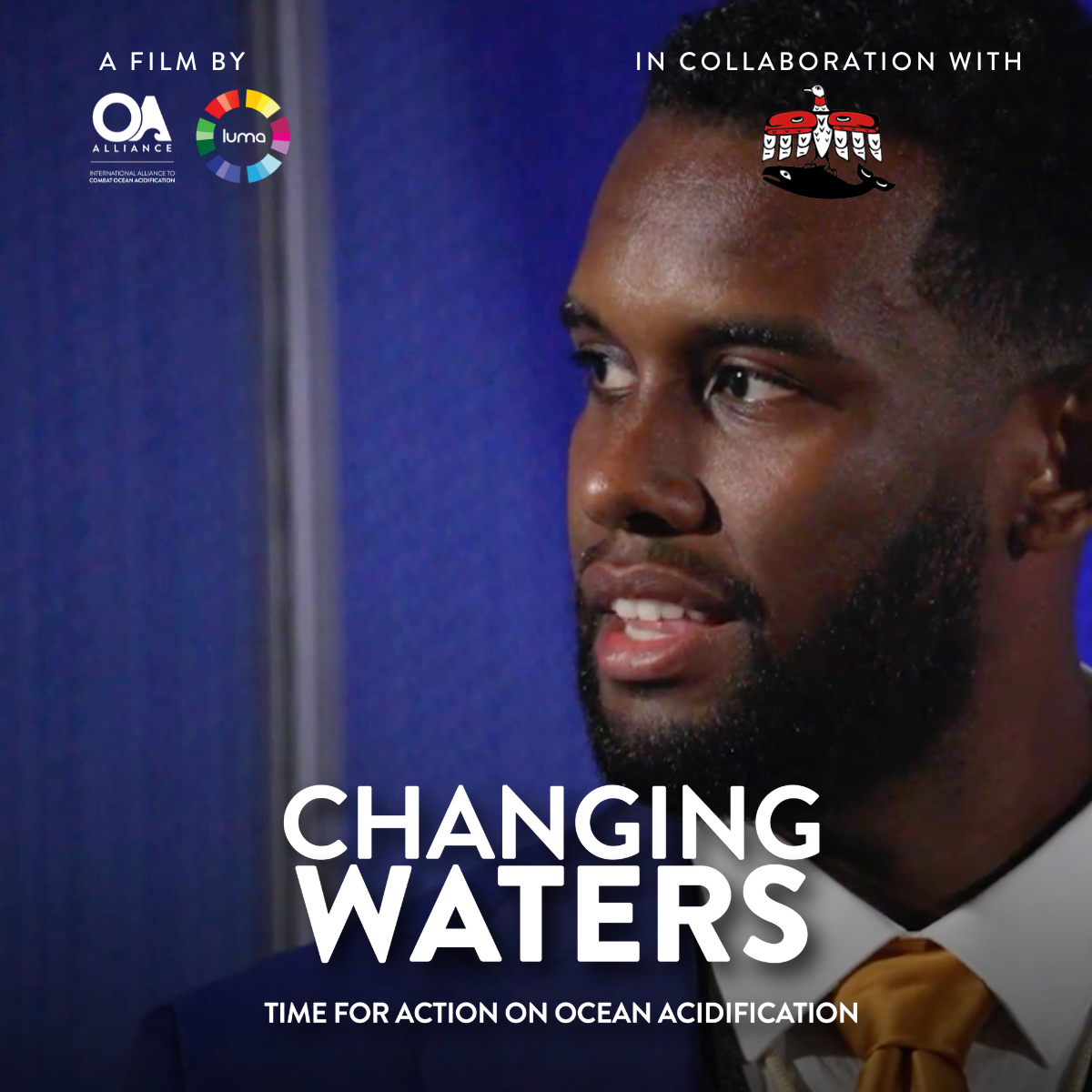
Mr. Anthony Bitegeko, Natural Resource Policy Analyst, Makah Tribal Organization
Ocean issues must remain central to the Paris Agreement because the ocean is the foundation of life itself. I was born and raised in Washington State and have lived on the Makah Reservation, where the water holds deep meaning for me as a Tribal member. These are the same waters my ancestors cared for, and they continue to shape our wellbeing, identity, and way of life. The ocean absorbs an enormous amount of fossil fuel emissions produced by human activity, offering protection and resilience that often goes unnoticed. Ensuring the ocean is part of global climate conversations is essential for the wellbeing of people, cultures, and ecosystems around the world.
Being at COP30 was an honor, and I am deeply grateful for the chance to share Makah perspectives in these global spaces. Every conversation, every panel, and every connection reminded me how important it is for Indigenous voices to be included in shaping ocean and climate solutions. I look forward to continuing this work and contributing wherever I can to protect the waters my ancestors cared for.