On Wednesday, May 27th, more than 150 people, including ministers, policy leads, NGOs, and scientists from across the region, participated in the high-level briefing entitled “Taking Action on Ocean Acidification in Latin America and the Caribbean.”
The event was hosted by the OA Alliance in collaboration with Economic Commission for Latin America and the Caribbean (ECLAC), IOC- Caribbean Region (IOCARIBE), Latin American Ocean Acidification Network (LAOCA), Research Network of Marine-Coastal Stressors in Latin America and the Caribbean (REMARCO), and Caribbean Coastal Acidification Network (Cari-CAN).

Ocean acidification has implications for the region’s economies that rely on fisheries, aquaculture, and tourism, potentially leading to revenue losses, job insecurity, and increased vulnerability of coastal communities that depend on marine resources for their livelihoods.
“The good news is, the region has shown amazing leadership and is already at the forefront of research into this global risk. What is urgently needed now is to translate that evidence into national policies related to climate change mitigation, adaptation, and fisheries management, and to sustain funding for long-term solutions,” said Jessie Turner, Executive Director of the OA Alliance.
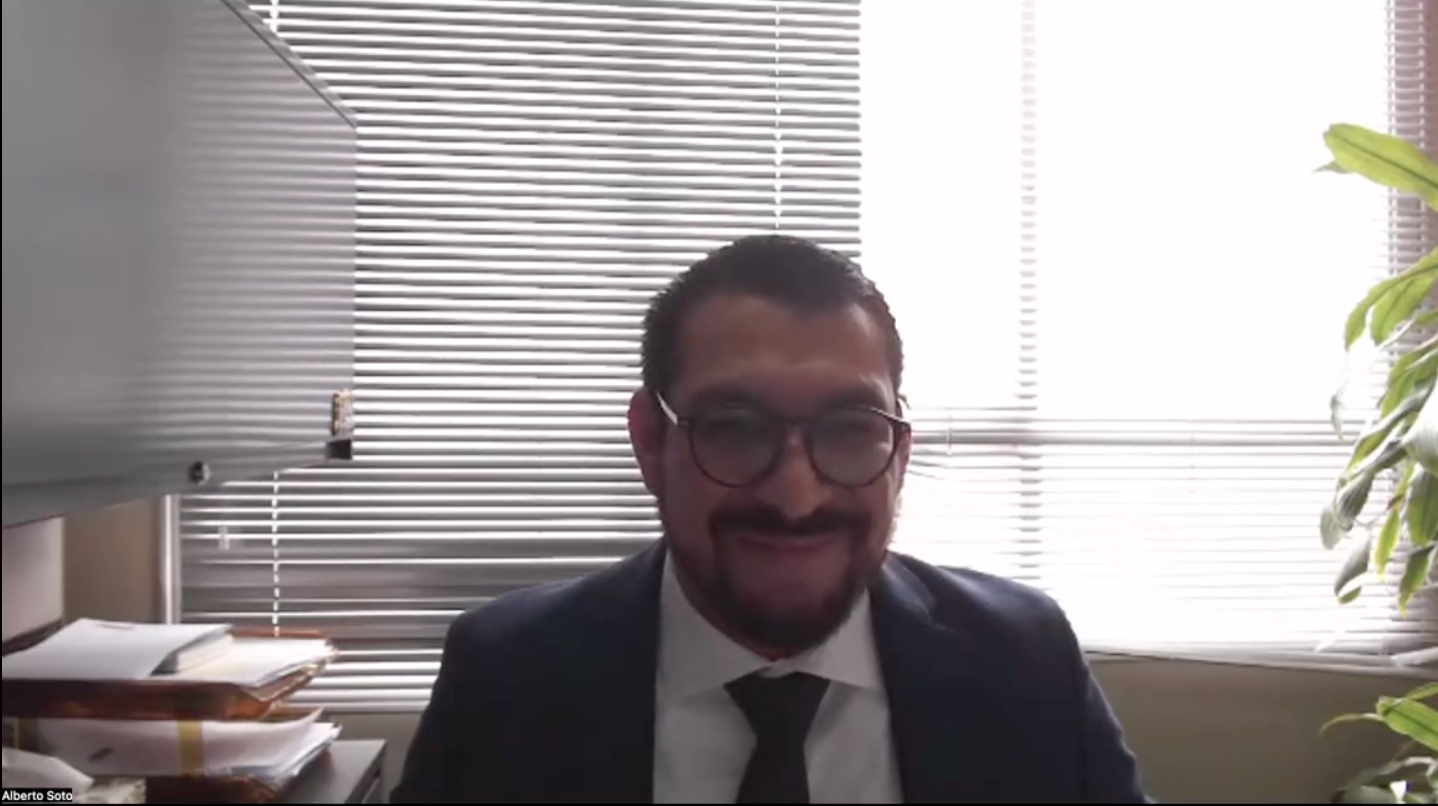
Opening remarks were provided by Alberto Andres Soto Millonez, Directorate of Security and Defense of the Directorate General for Multilateral Affairs of the Ministry of Foreign Affairs of Peru, on behalf of Ambassador Librado Orozco Zapata, Director General of Sovereignty, Borders, and Antarctic Affairs at the Ministry of Foreign Affairs, Peru:
“I’d like to start by saying the acidification of our ocean is not just a science or environmental issue. It is a challenge of food security, climate justice, and global governance.
The Humboldt Current supports the most important fisheries in the world; nearly 30% of all global sea catch comes from Peruvian waters, providing fish for many communities. For Peru, climate-ocean impacts like acidification are not a hypothetical scenario; it is a reality. The government is committed to a concrete response for our people.”
The session included the screening of the short film Changing Waters - Time for Action on Ocean Acidification, produced by the OA Alliance and LUMA Storytelling, which highlights the work of local researchers from regional monitoring and science networks working to fill the most important knowledge and data gaps.
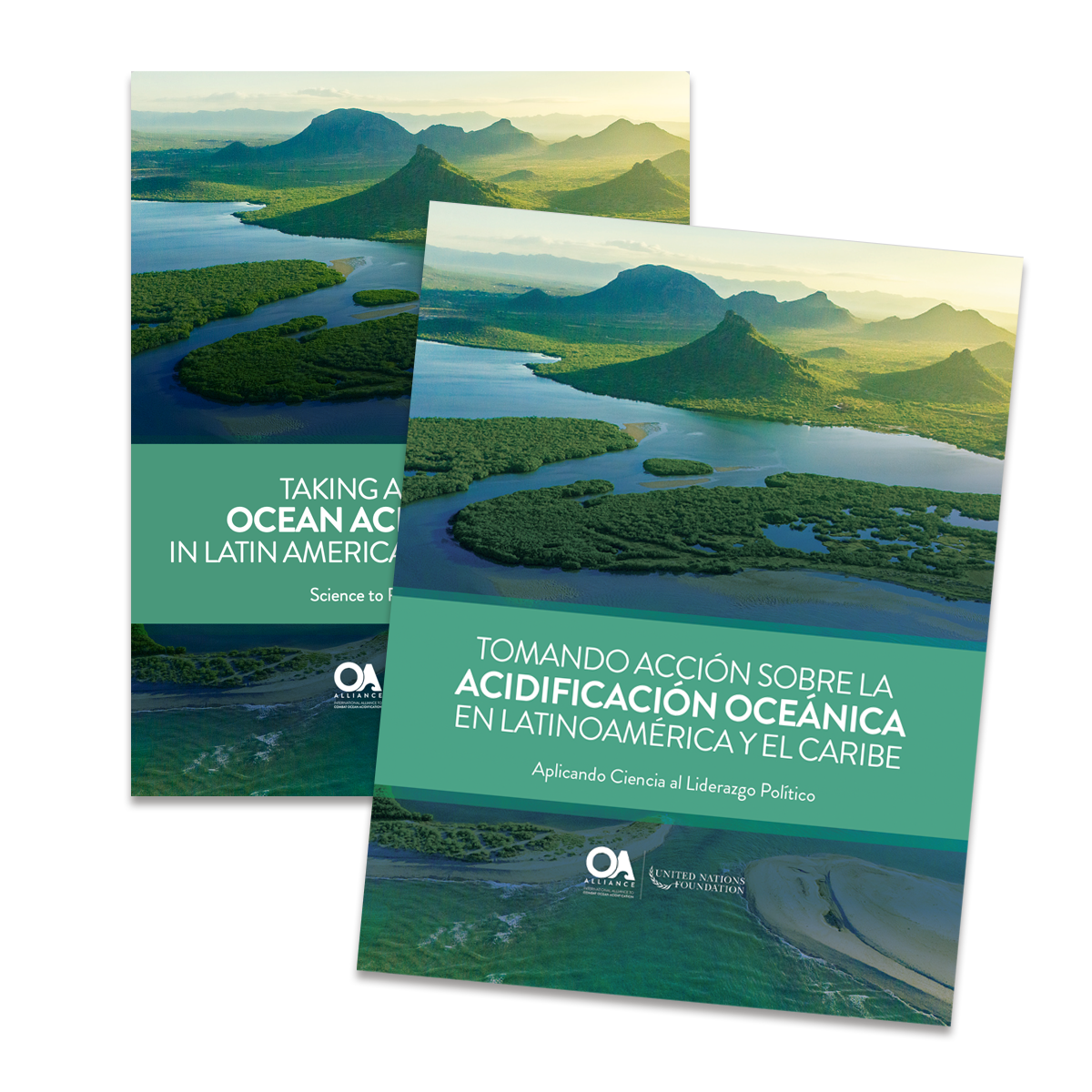
The film was followed by a presentation of the new regional policy brief, “Taking Action on Ocean Acidification in Latin America and the Caribbean” (English/ Spanish), given by Cecilia Chapa-Balcorta, Professor-Researcher at the Oceanography department in Universidad del Mar (UMAR), México, and co-chair of LAOCA.
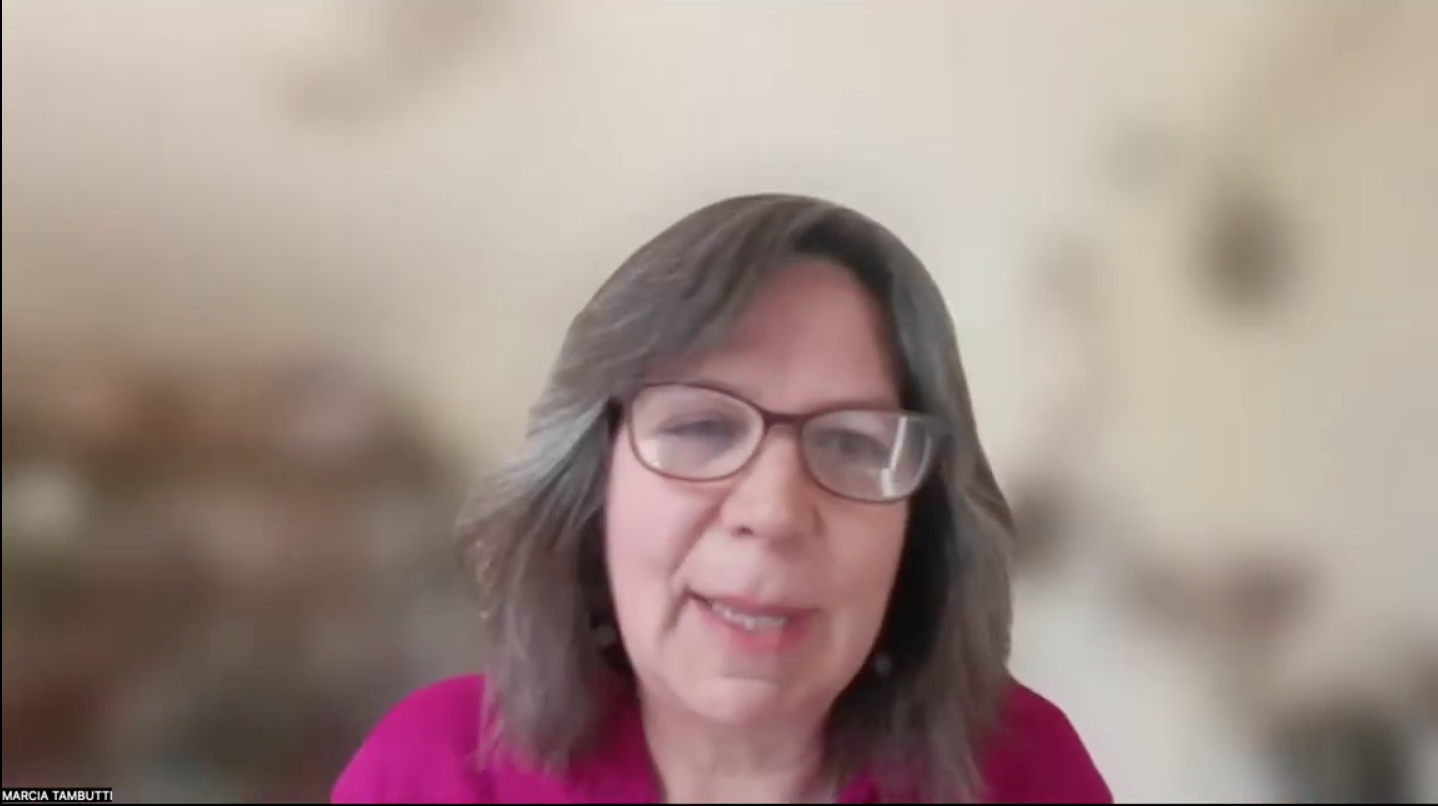
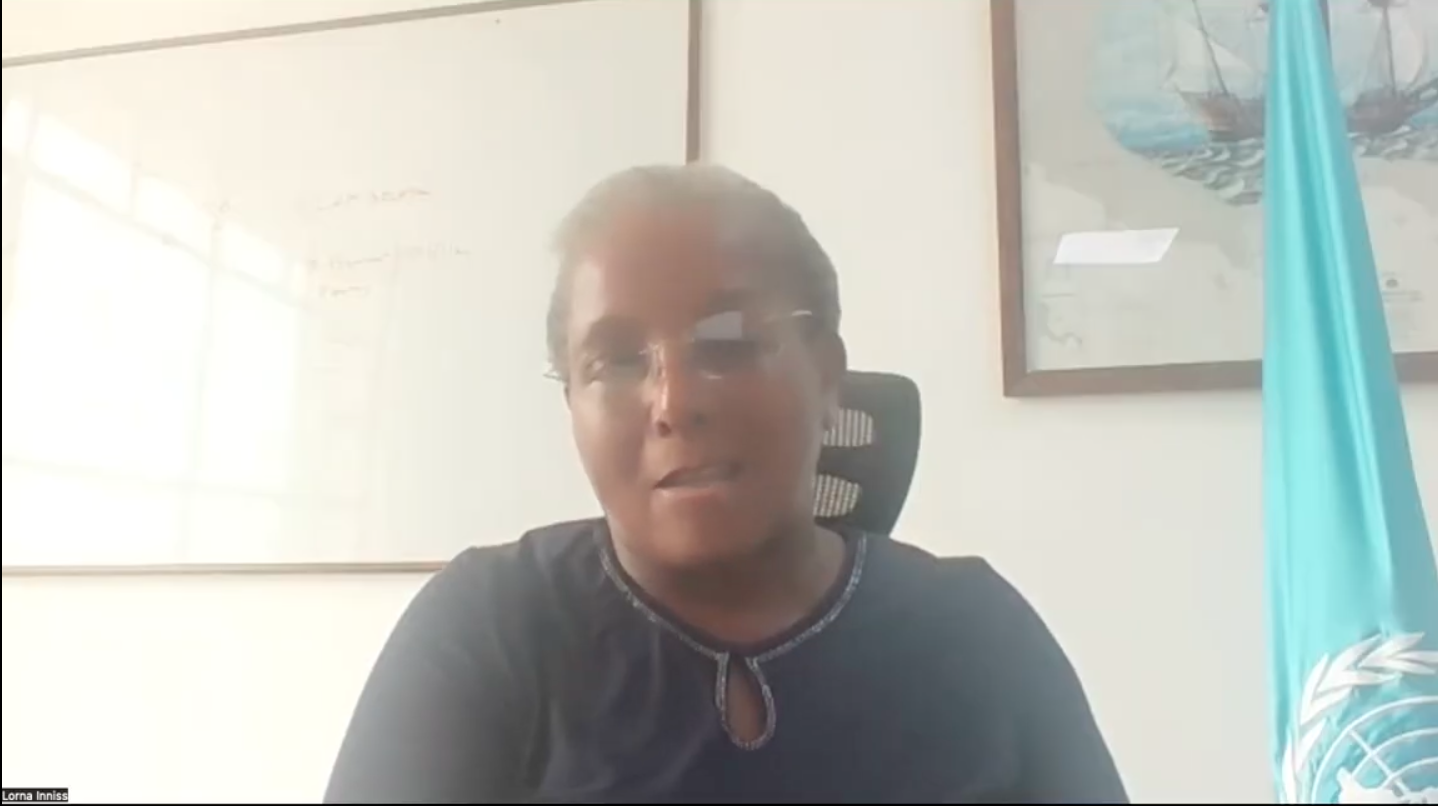
Marcia Tambutti, Biodiversity Specialist at the Natural Resources Division, Economic Commission for Latin America and the Caribbean, United Nations, and Lorna Inniss, Head of IOC-UNESCO Regional Secretariat for IOCARIBE, provided their perspectives on how regional entities can play an active role in advancing science and policy response with their Member States.
“The complexity and pace of global change require a holistic approach, including technical knowledge and awareness of available policy responses. We celebrate the OA Alliance’s new report, which makes concrete recommendations for action at national and regional scales. CEPAL/ ECLAC is excited to open a space for dialogue, providing technical assistance to governments that need it.”
Additionally, we must not forget that ocean acidification demands a significant reduction in greenhouse gas and carbon emissions, especially by the world’s largest emitters.” - Marcia Tambutti, Biodiversity Specialist/ Natural Resources Division, Economic Commission for Latin America and the Caribbean, United Nations

Importantly, national and provincial government speakers expressed their commitments to mainstreaming ocean acidification across national climate and ocean policies:
Ambassador Dale Webber, Ministry for Climate Change, the Environment, and the Blue Economy, Jamaica:
“Jamaica decided to include blue carbon ecosystems within our last NDC. We think we should now add ocean acidification to give the issue tangible reach in our work, especially since acidification affects our fisheries, food security, tourism, coastal protection, and biodiversity.”
Daniela Castellanos Villaseñor, Director of Ocean Agenda, Ministry of Foreign Affairs, Mexico
“Mexico recognizes the ocean-climate nexus as a strategic priority at the national level. Indeed, we have integrated ocean acidification in planning frameworks, particularly our Sustainable Ocean Plan, which is our national policy for sustainably managing our coasts and seas. In our NDC, we also aim to strengthen monitoring and applied research of ocean acidification and marine temperature variability.
We know that the visibility of the ocean-climate nexus, including ocean acidification, is critical in the fight against climate change. At COP30, we saw a growing recognition of this work, and now we must be working towards implementation.”
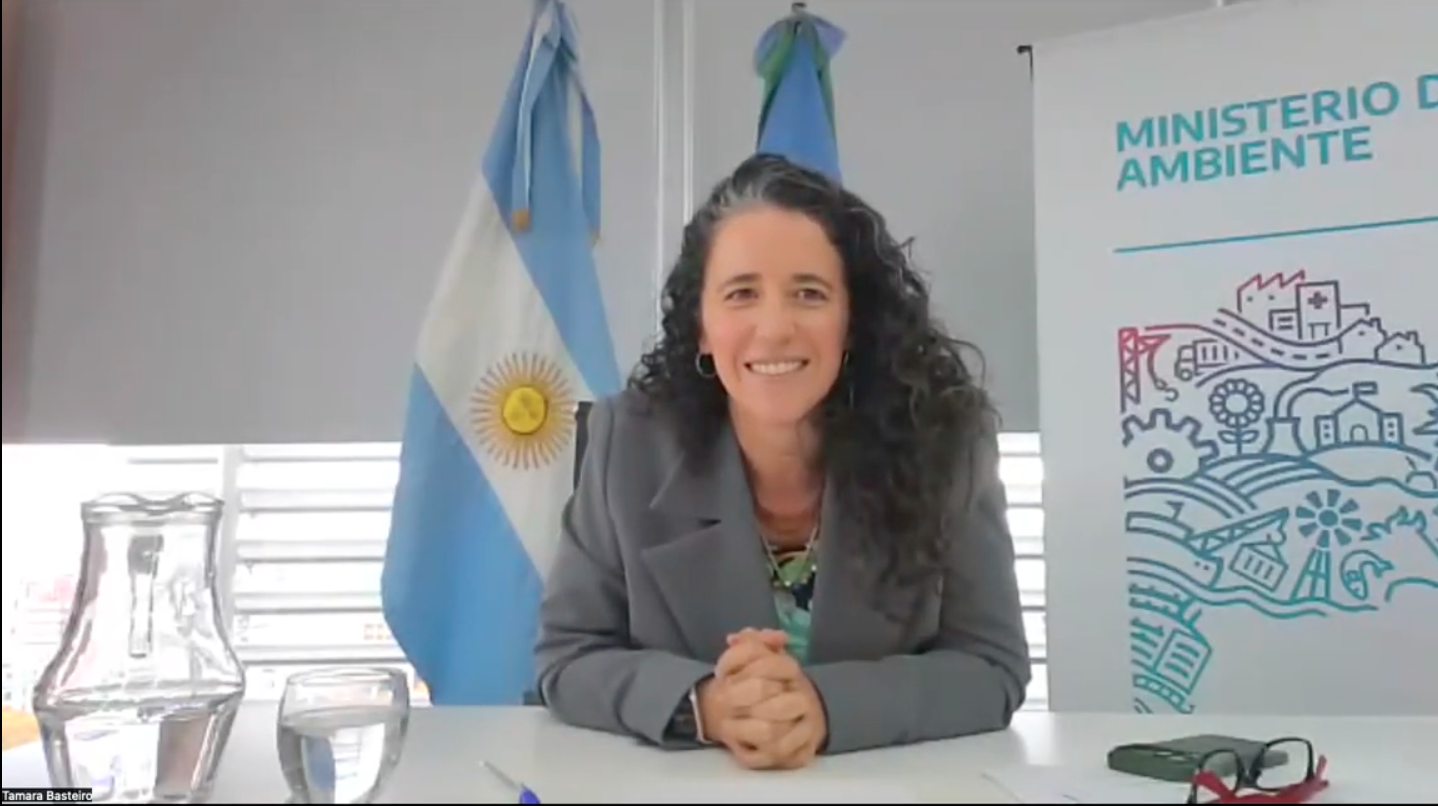
Minister Tamara Basteiro, Undersecretary of Environmental Policy, Ministry of the Environment, Province of Buenos Aires, Argentina, spoke about the role of provincial and local governments and highlighted key initiatives in Buenos Aires like Pampa Azul. The province is working to limit both drivers of acidification, carbon emissions, and local waste pollution, as well as supporting local monitoring of ocean change.


Ocean acidification will continue to be a recurring topic with every shrimp or oyster harvest, every IPCC report, and every international climate negotiation. Upcoming events where the OA Alliance will be amplifying acidification policy leadership and financing needs include: Our Ocean Conference (Mombasa, June 2026), The Ocean in a High CO2 World Symposium (Wellington, October 2026), and COP31 (Antalya, November 2026).

Contact information at the OA Alliance:
María Alejandra Navarrete Hernández, Latin American and the Caribbean Programme. Email: anavarrete@unfoundation.org
Juliana Corrales, Communications Lead. Email: jcorrales@UNFoundation.org