Every September, New York City becomes a meeting place for people working across the climate movement. From policymakers and scientists to community leaders, artists, businesses, advocates, and communicators, Climate Week NYC is the world’s largest climate event and provides a global platform for advancing climate and economic progress at scale.
With the ongoing dismantling of U.S. federal climate policies and pull back from international agreements like the Paris Climate Agreement, it is especially important that the global community comes together to focus on the impact and action that we must drive together.
For the OA Alliance, being part of that conversation is an opportunity to make sure the ocean is not treated as a separate issue from climate action but rather a central element to both the climate crisis and the solutions needed to address it.

The Ocean-Climate Nexus: From Frontline Realities to Action
The Ocean-Climate Nexus: From Frontline Realities to Action
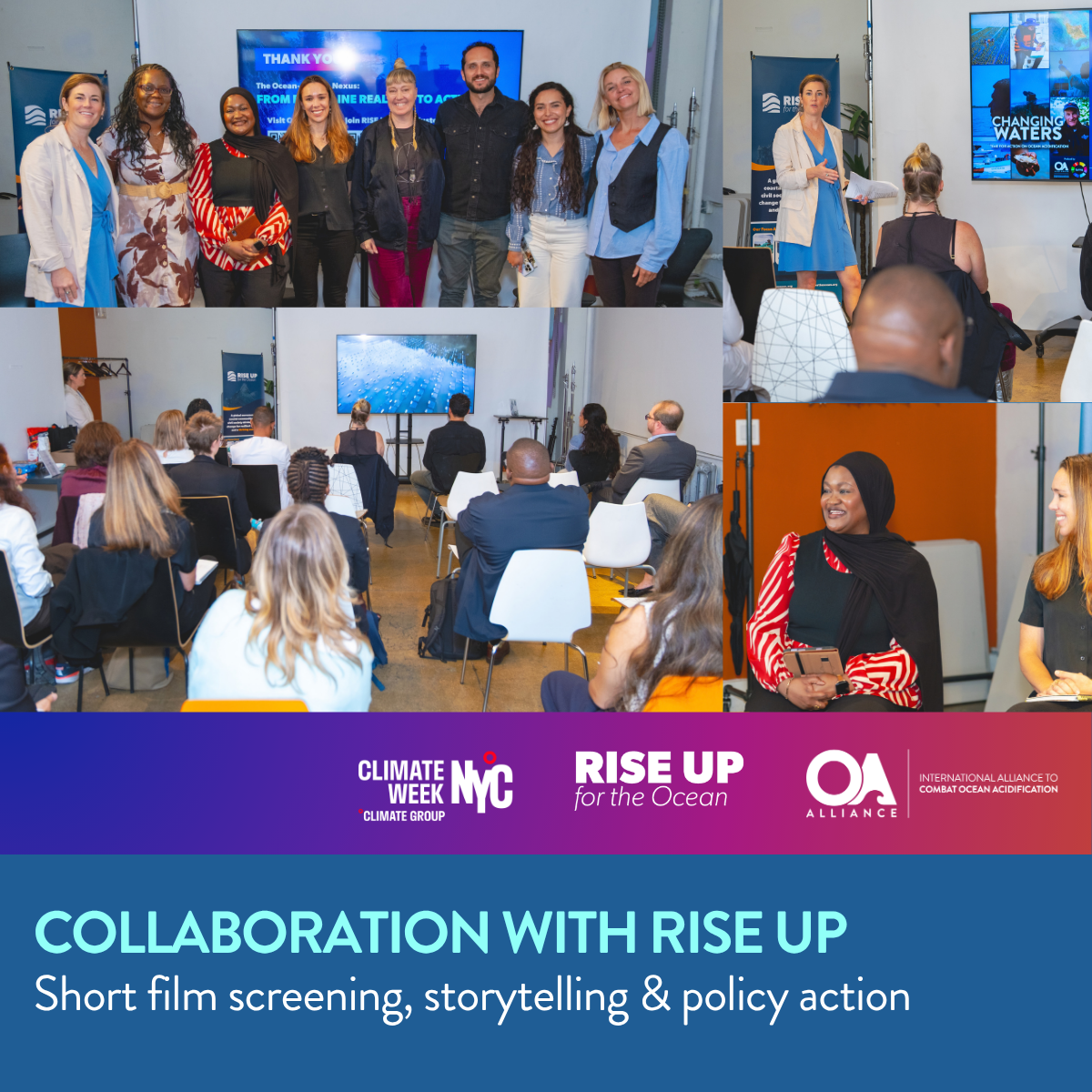
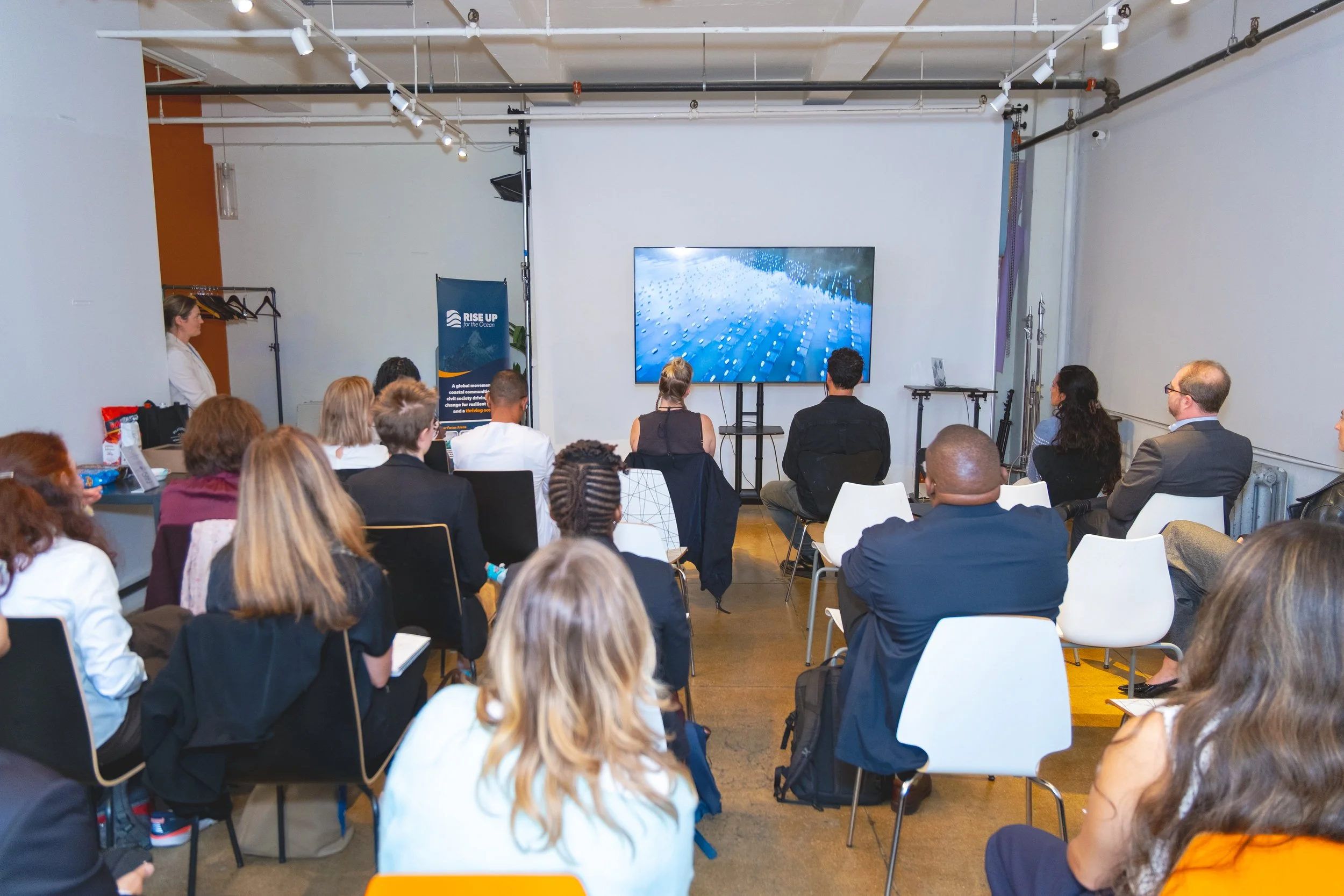
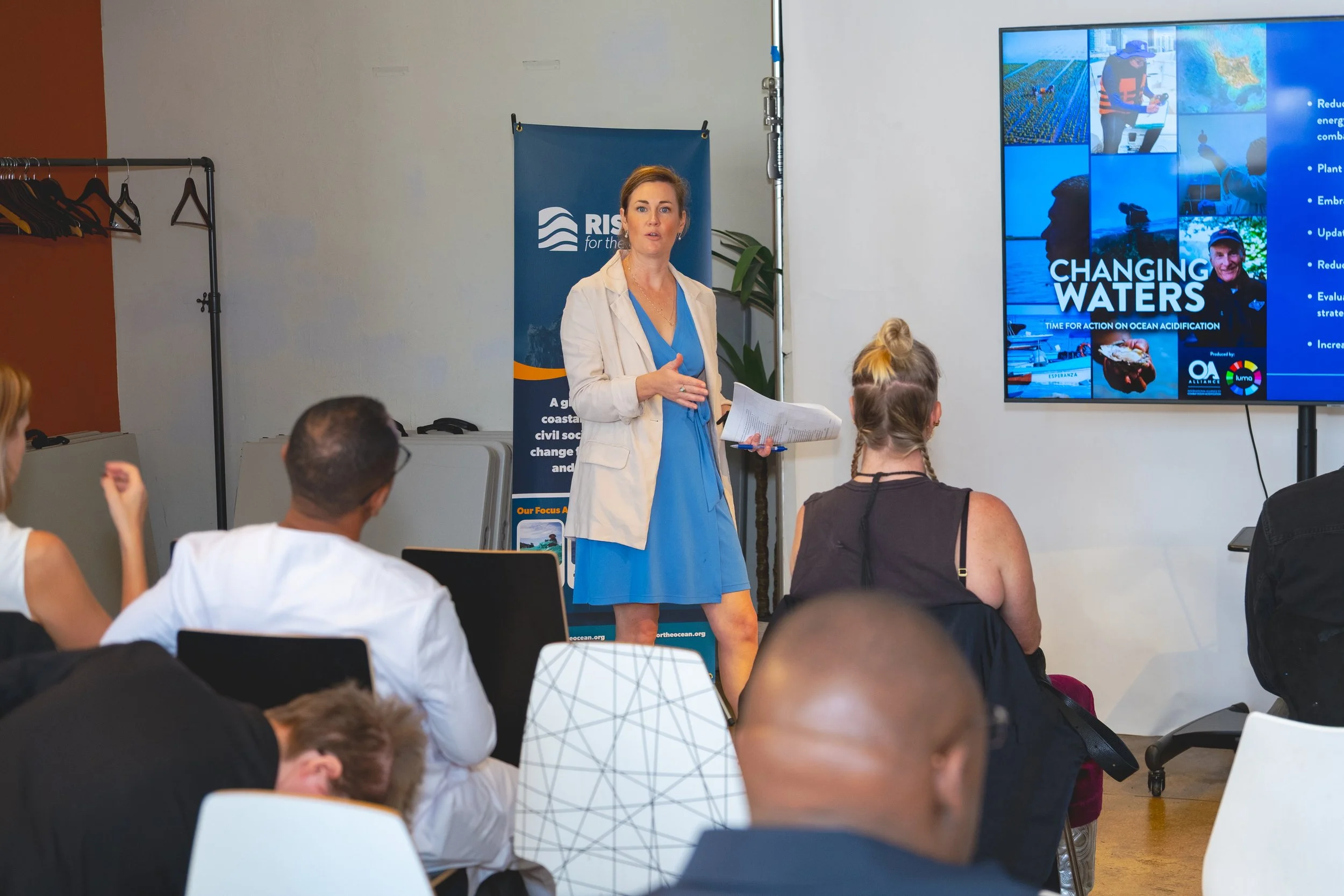
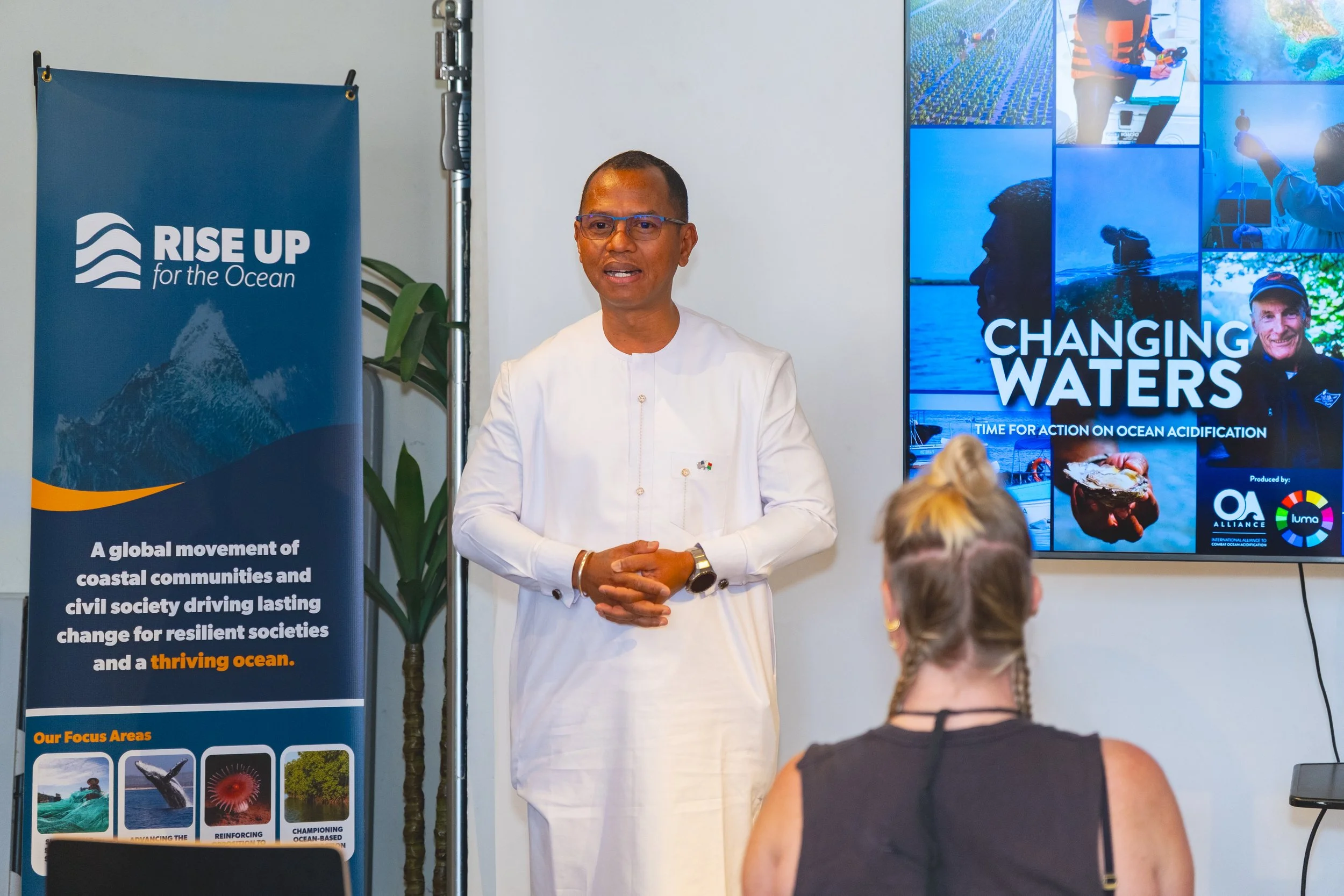
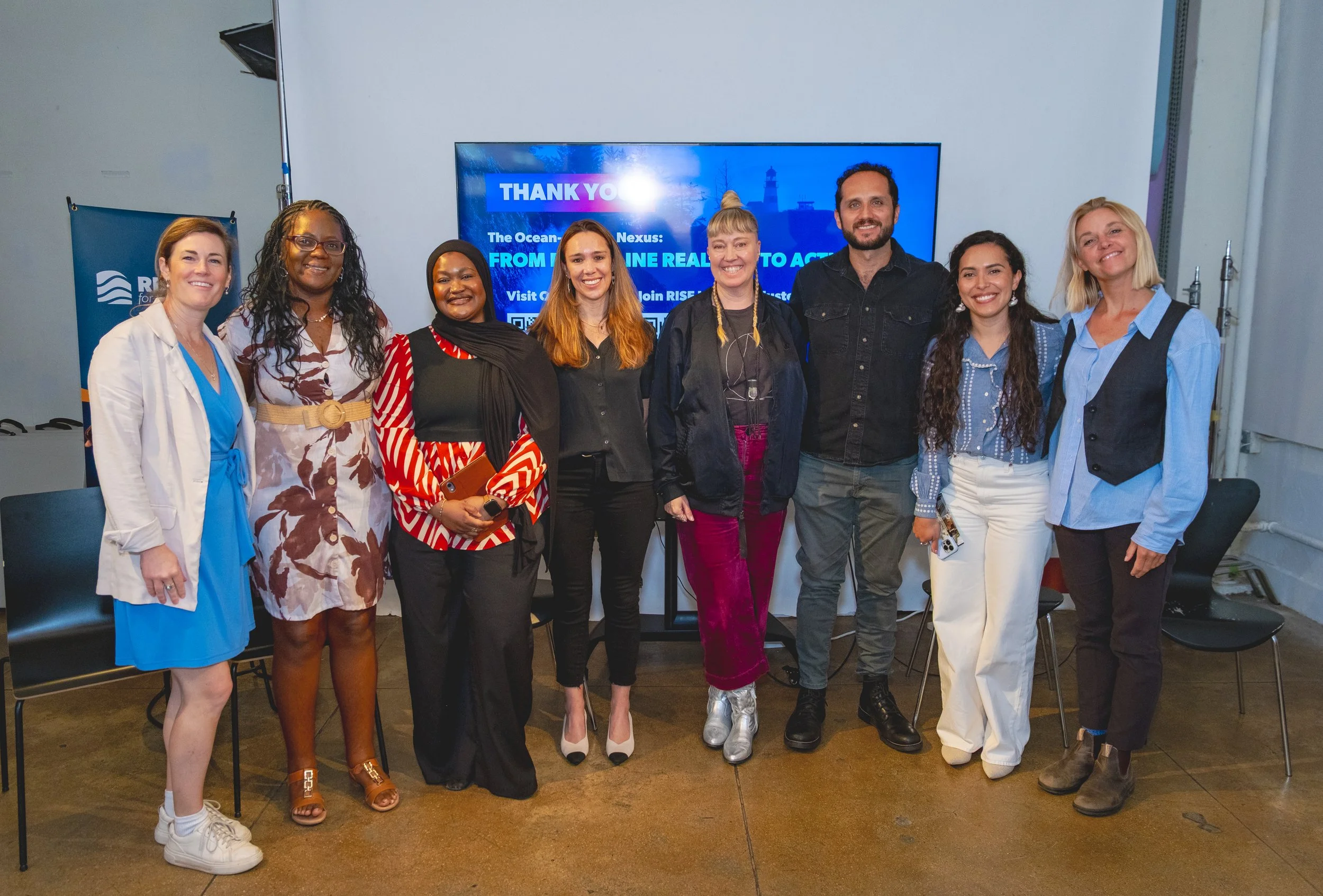
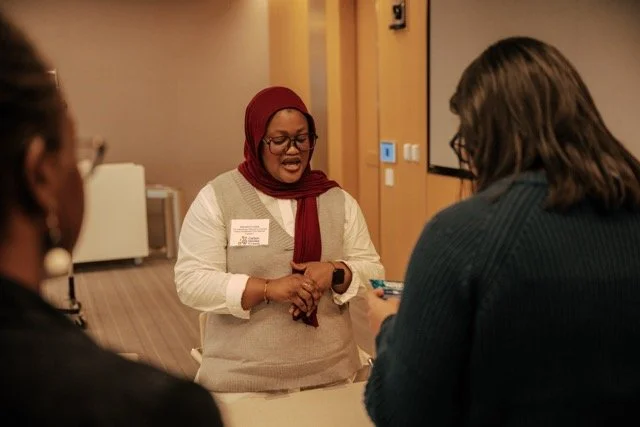
One of our key moments during Climate Week was “The Ocean-Climate Nexus: From Frontline Realities to Action,” hosted in collaboration with Rise Up for the Ocean.
The conversation brought together ocean advocates, communicators, filmmakers, and artists to explore how storytelling can make climate and ocean issues more visible and actionable, while ensuring communities have a meaningful role in shaping their own stories.
Our job at the OA Alliance isn't just to let policy makers know about the science behind ocean acidification and its impacts and solutions. We also help them turn this knowledge into action, strengthen policy responses, and connect them with local leaders whose work deserves greater recognition and investment.
So, how can storytelling do more than simply raise awareness?
Part of the answer lies in bringing science, lived experience, storytelling, and policy into the same sphere and creating space for frontline realities to reshape how we understand and respond to ocean-climate challenges.

The Carbon Newbie Summit
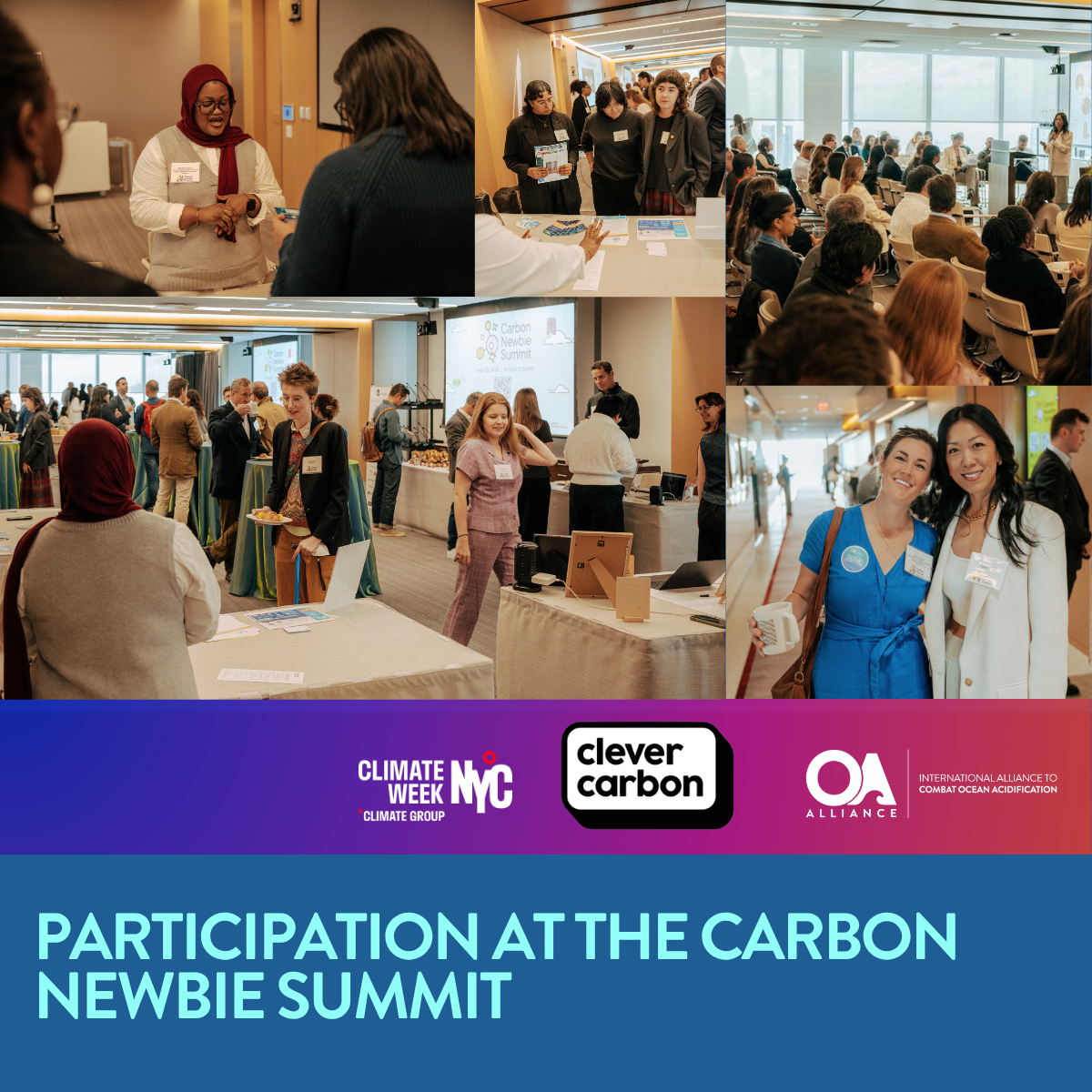
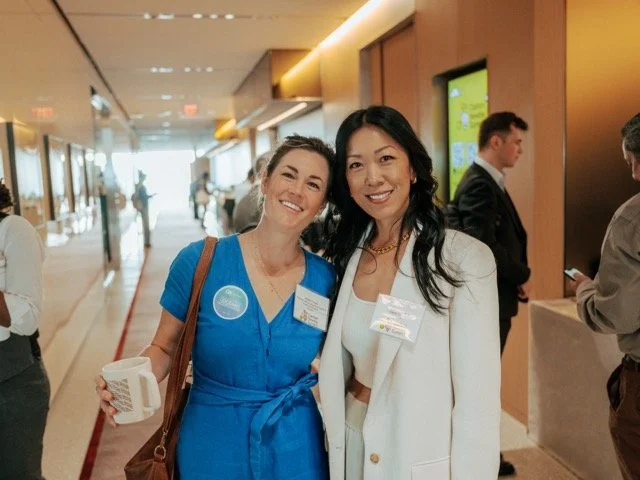
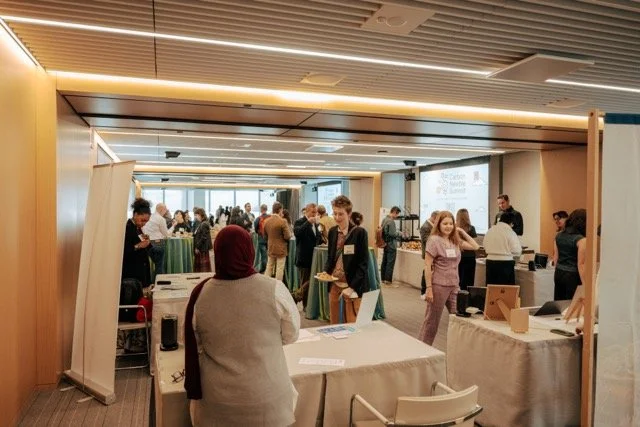
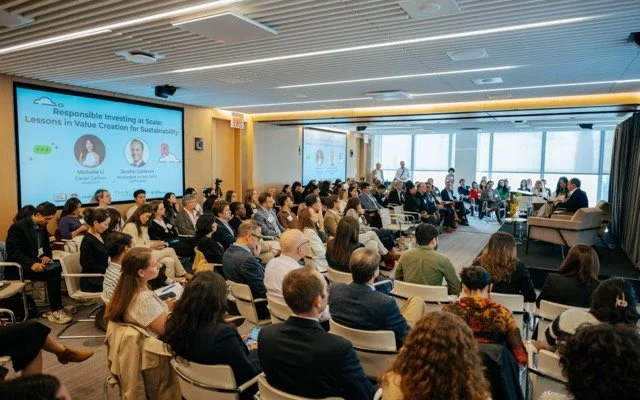
We also joined the Carbon Newbie Summit, where we had the opportunity to speak with many professionals taking action on climate change from multiple sectors.
Participants heard from experts, network with attendees, and walk away with a better understanding of what policies and actions are needed to reduce the amount of carbon dioxide emissions entering our atmosphere and ocean (and what the consequences are if we don't.)
The ocean is deeply connected to climate regulation, food systems and security, livelihoods, and communities yet most people still don't think about the climate-ocean connection. Bringing these connections into focus is an important part of building shared understanding and, ultimately, action towards tackling climate change and OA
unFCCC Global Climate Agenda and Building Momentum Toward COP31
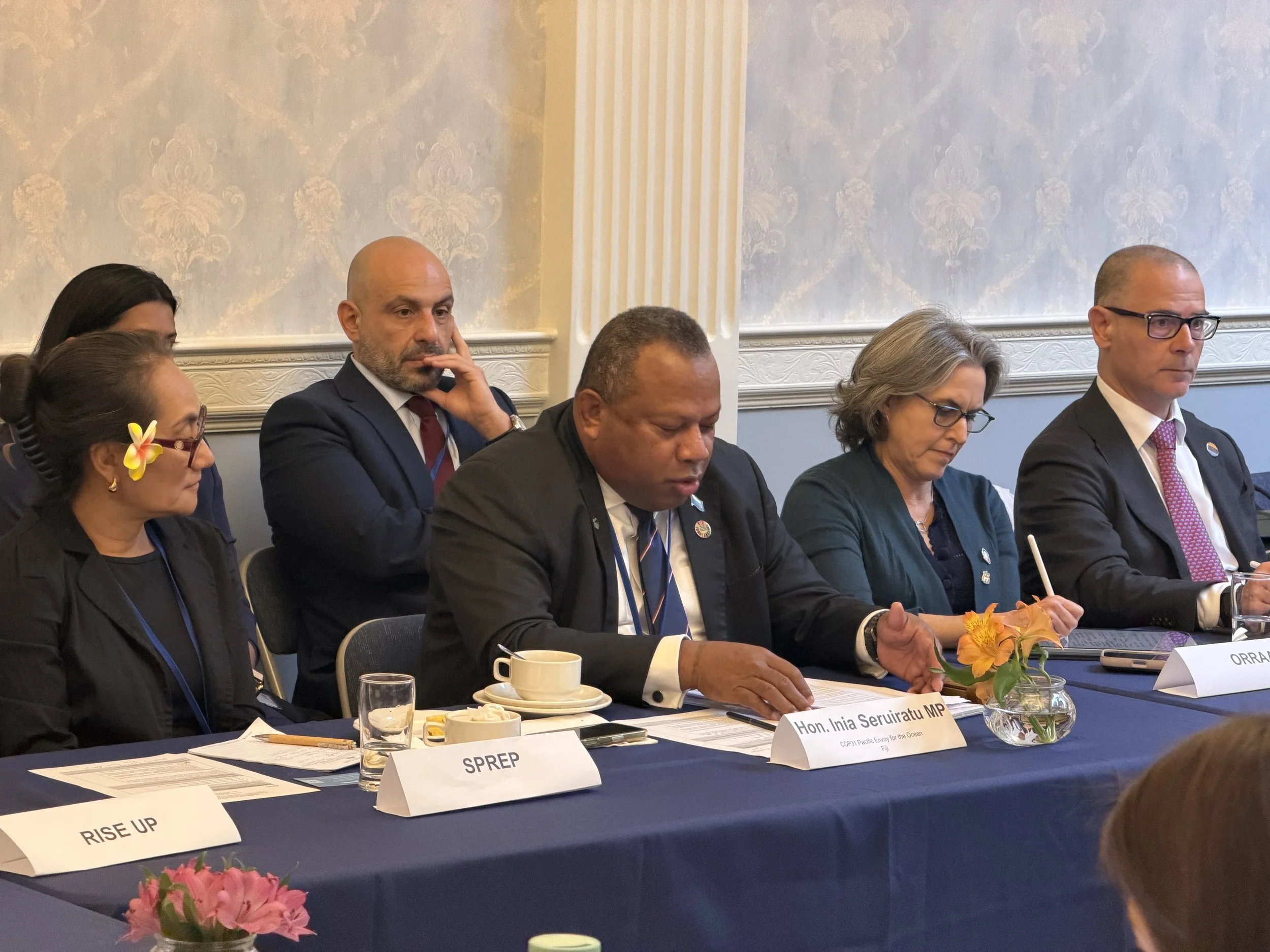
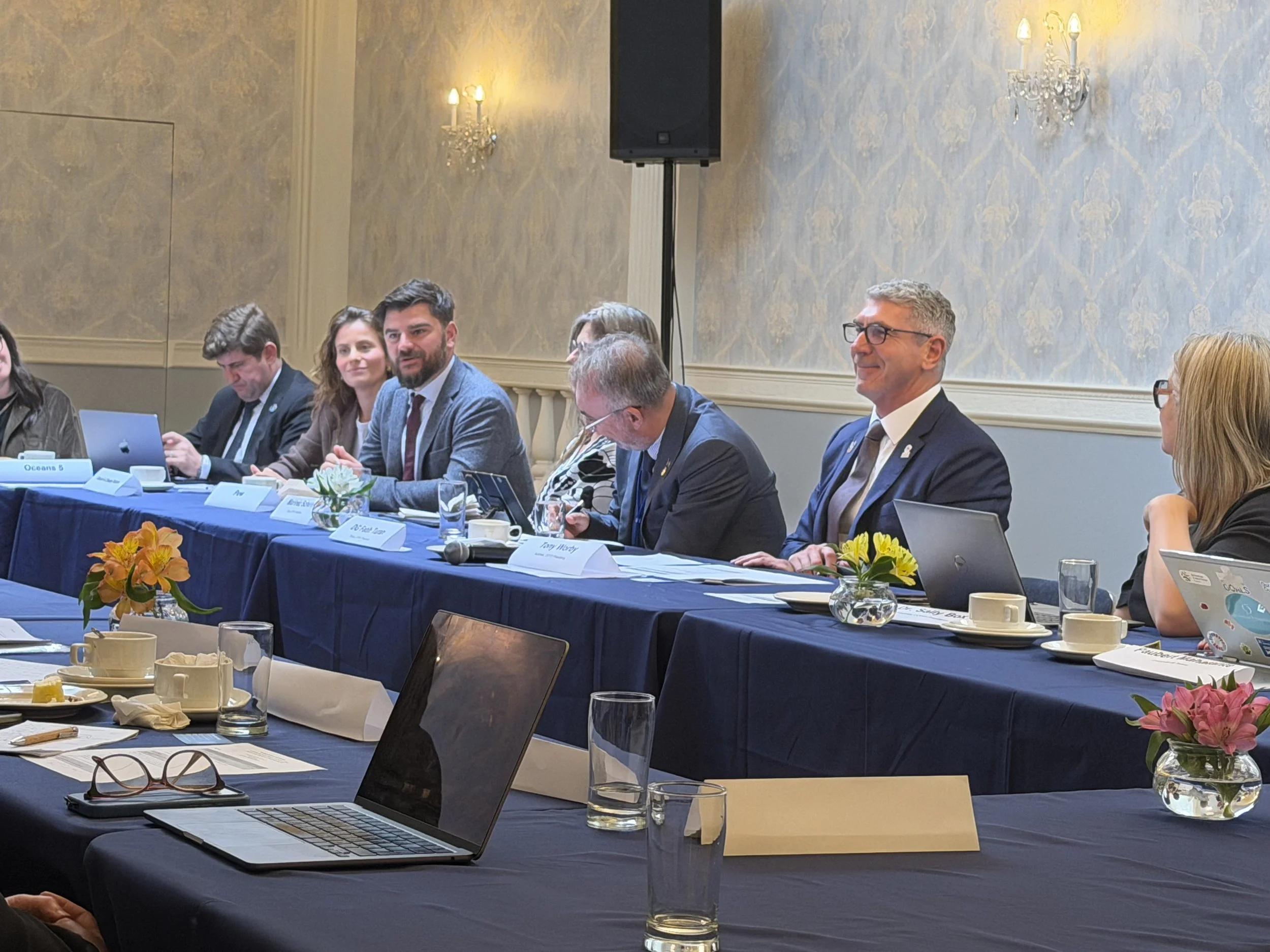
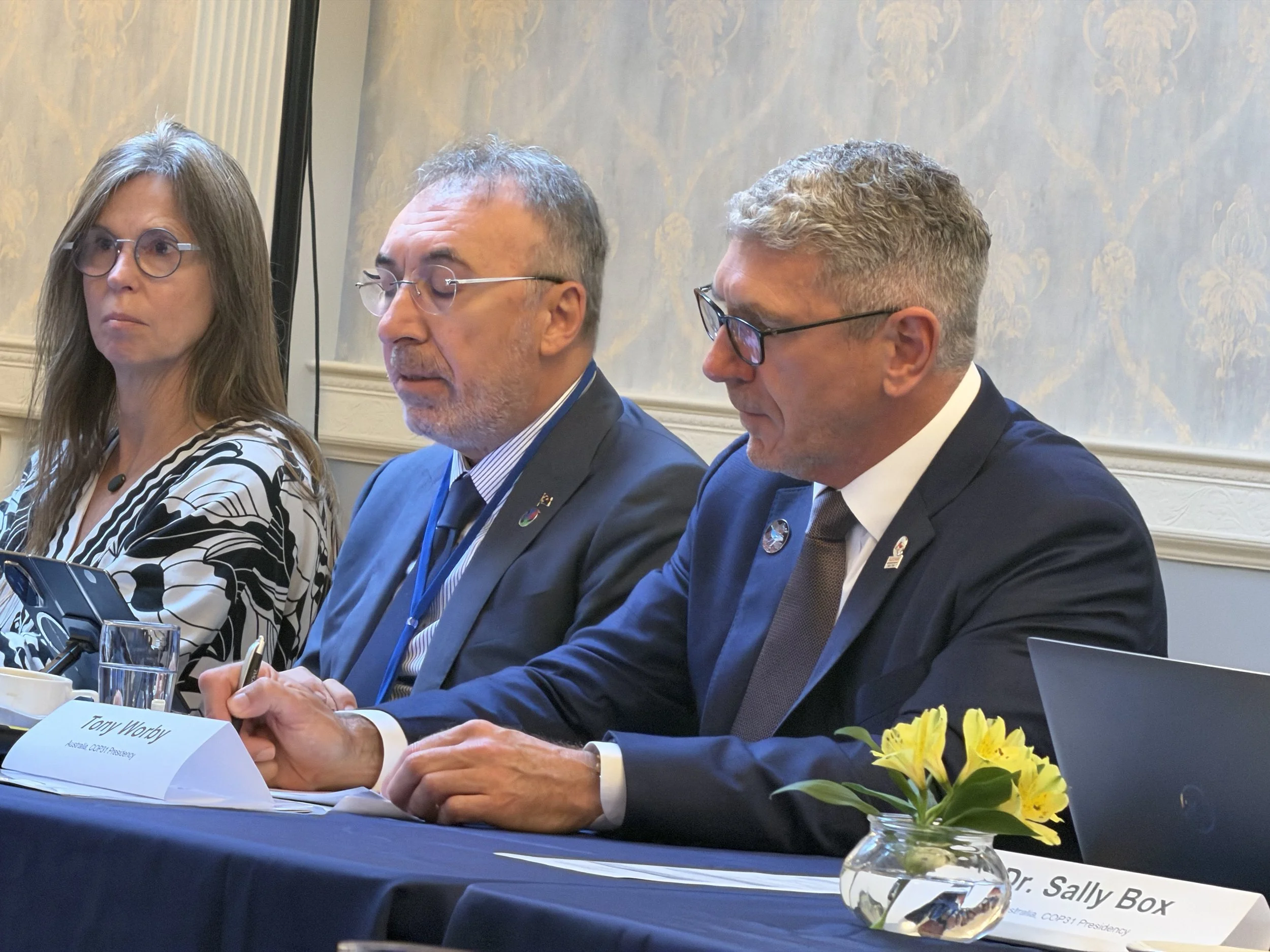
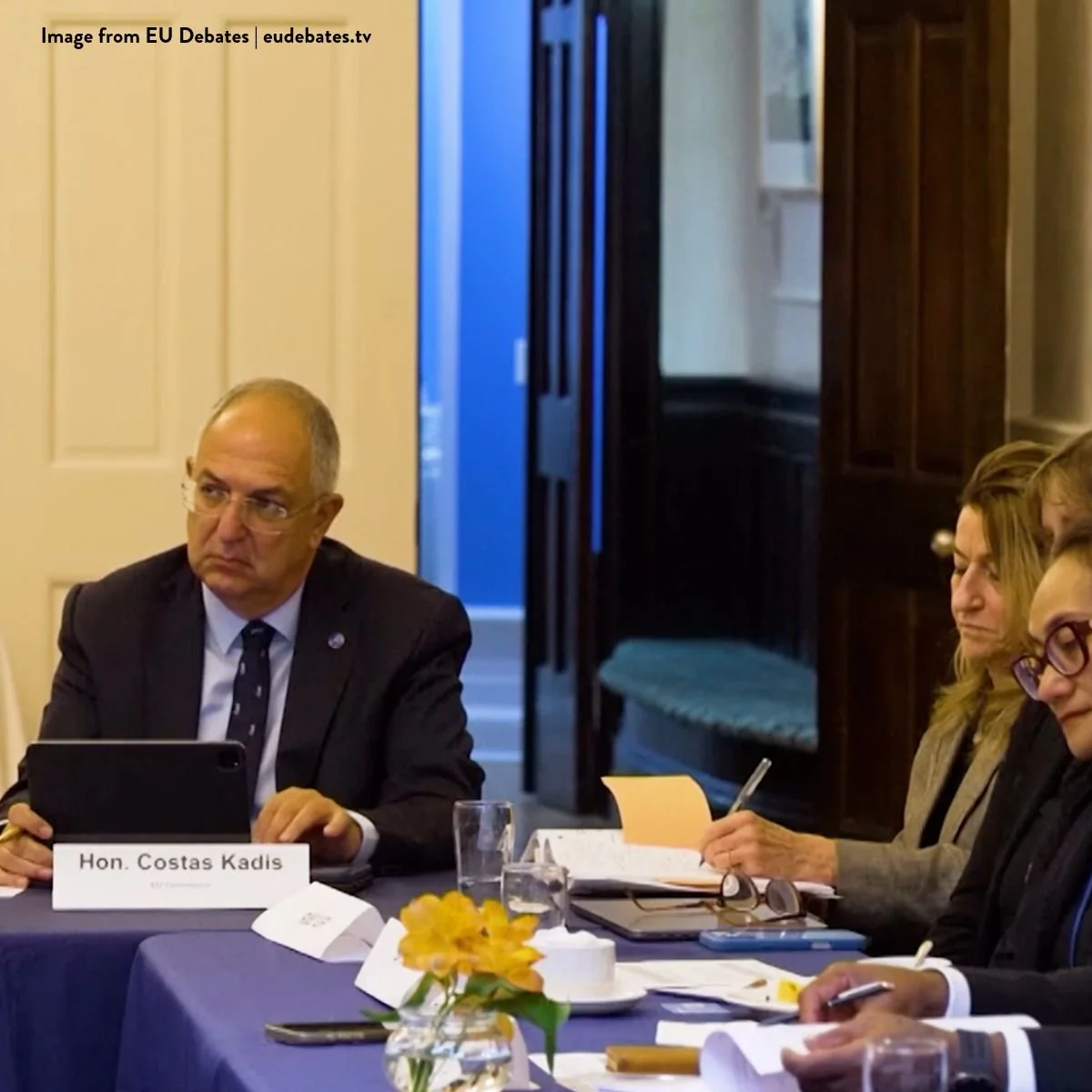
We also joined conversations through the Global Climate Action Agenda’s Ocean-Climate Community (Activation Group 7), looking ahead to how ocean priorities can continue to advance into COP31.
The discussion highlighted the importance of maintaining momentum for climate-ocean action across COP presidencies and focused on turning commitments into action, particularly around climate finance, ocean governance, adaptation, and investment in ocean-based solutions.
Perspectives from Pacific and Small Island Developing States underscored the importance of ensuring that ocean priorities, and the experiences of communities on the frontlines of climate change, remain central in global climate discussions.
“For Pacific people the ocean is far more than just a resource. It is our whole identity, our culture. We witness everyday the impacts of rising ocean levels, ocean acidification and increasing severe climate shocks. As we move forward towards COP31, one of our core objectives is to ensure the ocean remains a critical part of mitigation, adaptation and finance agendas” – Honourable Inia B. Seruiratu MP, Fiji COP31 Pacific Climate Envoy for the Ocean.
Finance was another important thread throughout the discussion. Speakers emphasized that achieving meaningful ocean-climate action will require mobilizing resources beyond public funding, including development banks, private investment, insurance, and blended finance.
For the OA Alliance, participating in these discussions is part of making sure ocean acidification and broader ocean-climate priorities remain connected to the policy, finance, and implementation conversations shaping global climate action.
Why does this matter?
Ocean acidification can sometimes feel like a highly technical issue. But behind the science are very human stories.
They are stories about people who depend on the ocean for food and income. About communities adapting to environmental change. About the species and ecosystems that support coastal economies. And about the policies, investments, and partnerships needed to respond.
That is why spaces like Climate Week matter. It give us an opportunity to connect the dots between ocean change and climate change, between scientific research and lived experience, and between the challenges communities are facing and the decisions being made at local, national, and international levels.
Carrying the conversation forward
As we look ahead to the pre-COP and COP31 meeting at the end of this year, we must move beyond simply stating that ocean health and coastal communities are being affected by carbon emissions. We have the opportunity now to ask a more powerful question:
“What does the science and lived experience of climate-ocean change tell us about policy gaps and investment needs, and what specific commitments could be taken up through international and national governance to address them?”
For the OA Alliance, that means continuing to connect science, policy and lived experience, and creating more opportunities for ocean perspectives to shape the conversations where climate action is being discussed.