The OA Alliance team just got back from two very special weeks in the Pacific: first at Pre-COP31 in Nadi, Fiji, then at the Ocean in a High-CO₂ World Symposium in Wellington, New Zealand. With COP31 now just weeks away, here’s what stood out to us during our time with climate-ocean leaders, and what we’ll be focusing on next.
The big takeaway: the ocean’s role is coming into focus
What stood out most in Fiji was the growing recognition among negotiators of the ocean’s critical role in climate change.
The new UN Environment Programme report stating that our planet’s temperature will increase beyond the 1.5°C target set in the Paris Climate Agreement (what is commonly referred to as “1.5 overshoot”) was clearly front of mind: how likely it is, how to prepare for it, and how to keep it short in duration, scale and impact. Almost every intervention we heard at pre-COP meetings, during side events and formal plenary sessions alike, mentioned overshoot.
While sobering, it also brought the ocean into the climate agenda in a different way. Delegates were connecting the dots between a healthy, functioning ocean and what it will take to respond to the impacts of emissions, at a time when the ocean’s ability to absorb heat and carbon is under growing pressure and limitations. As we heard more than once, ocean health is more important than ever in an era of overshoot.
That Pacific Island leaders are driving this conversation, making the hosting of Pre-COP in Fiji even more meaningful . We also watched countries including the UK and the Netherlands stress that the ocean should not be treated as a Pacific issue alone, highlighting that responding to ocean impacts is a global responsibility.
Governments: The “ocean-climate nexus” was one of only two topics with its own special plenary at Pre-COP; the other was finance. Across that ocean session, from Peter Thomson’s opening remarks to the ministerial interventions, speakers named ocean warming, acidification and oxygen loss together, alongside extreme weather such as cyclones and flooding. This unprecedented level of consistency across speakers suggests that these slower, less visible impacts of climate-ocean change are finding their way into government statements with more clarity.
In a positive step forward, a letter signed by around 100 countries, including EU member states, called for the ocean to be at the heart of the climate agenda and for a roadmap for the ocean and climate change dialogue under the UNFCCC.
One personal highlight: our brilliant collaborator Dr. Katy Soapi of the Pacific Community (SPC) was featured in a video by SPREP during the plenary, raising the profile of ocean acidification alongside other Pacific climate priorities and areas where Pacific leadership is on full display
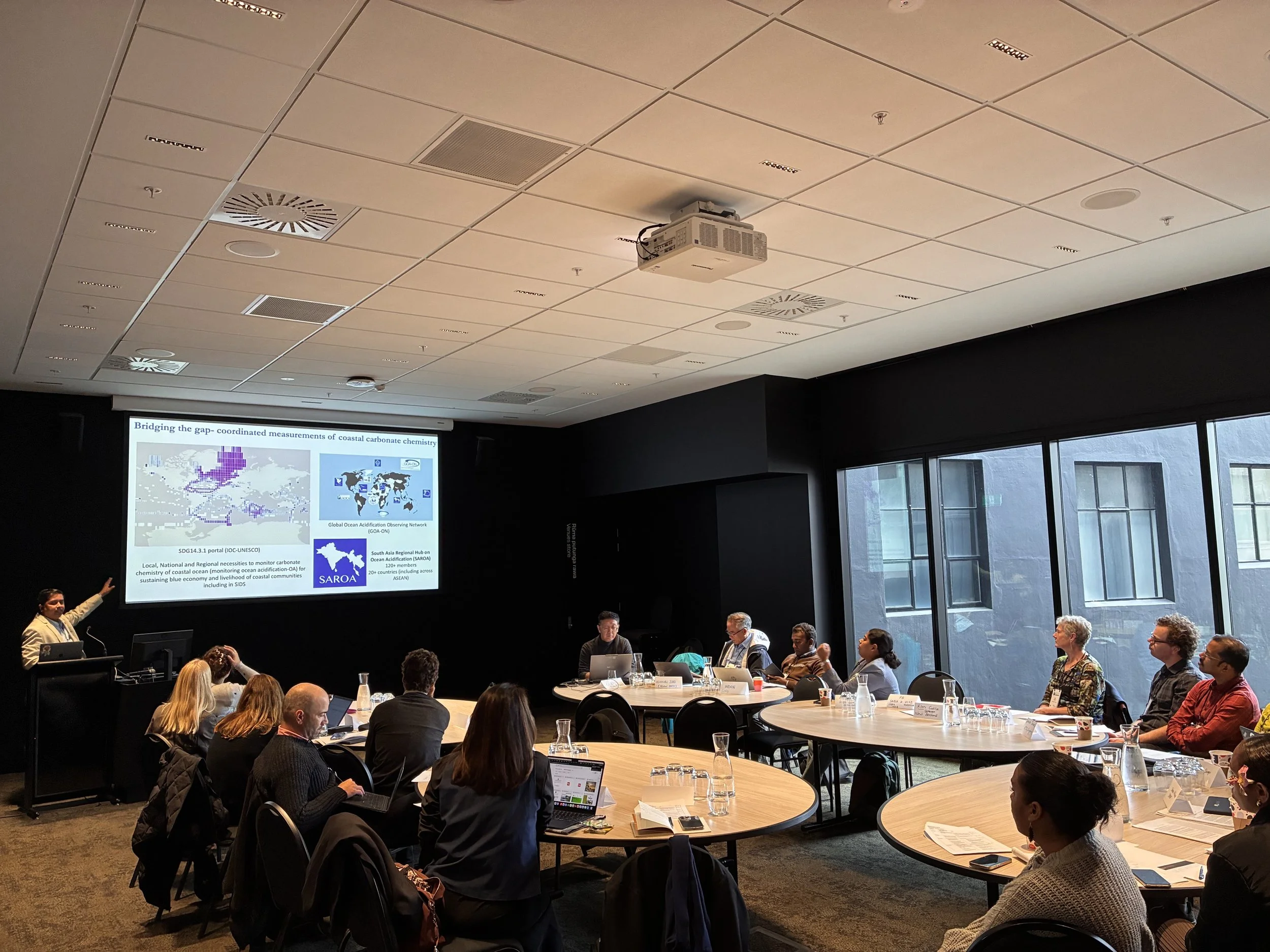
Science: There is growing demand from governments for regional research. Global science tells us that as CO₂ goes up, pH goes down, but countries now want to know what this means in their own waters. Adaptation is local, and the science is following. In Wellington, we witnessed and contributed to an ocean acidification community that is much more coordinated and regionalized than it was 25 years ago. We saw a community that is moving beyond simply measuring change and prioritizing research on the ecosystems, biodiversity and seafood that people depend on.
Finance. The Asian Development Bank has commissioned ocean acidification vulnerability assessments in Papua New Guinea, Solomon Islands and the Federated States of Micronesia. This is an encouraging sign that development banks are looking at ocean-related climate risk more broadly. We hope other regional development banks follow, and recognize their role , both in assessing risk and in supporting effective responses across member countries.
What still needs to shift
Progress is encouraging, but there is more work ahead.
On finance, the challenge seems to be less about the amount available and more about access. Countries still face considerable red tape in putting together ocean projects that can secure adequate funding, and relatively few ocean projects are being resourced by climate financing so far. There are also open questions about the right balance between loans and grants, and about how to value adaptation, which protects lives, livelihoods and ecosystems but doesn’t always generate a financial return.
The wider context will matter too: how finance is distributed across mitigation, adaptation and loss and damage, and how those decisions are made.
On mitigation, real leadership about phasing out fossil fuels, including offshore oil and gas, remain limited. Efforts such as the Santa Marta conference in Colombia show where some ocean leaders are heading, and we hope more will follow.
What comes next
Looking ahead to COP31, upcoming in Antalya, Turkiye, we’d like to see more countries integrating the ocean mitigation, adaptation and research needs into their national climate plans (NDCs and National Adaptation Plans). Initiatives like the Blue NDC Challenge, where the OA Alliance is an implementing resource partner, are helping to make this happen, and Fiji’s NDC 3.0offers a strong example for others. These plans are updated every few years, so this is long-term work.
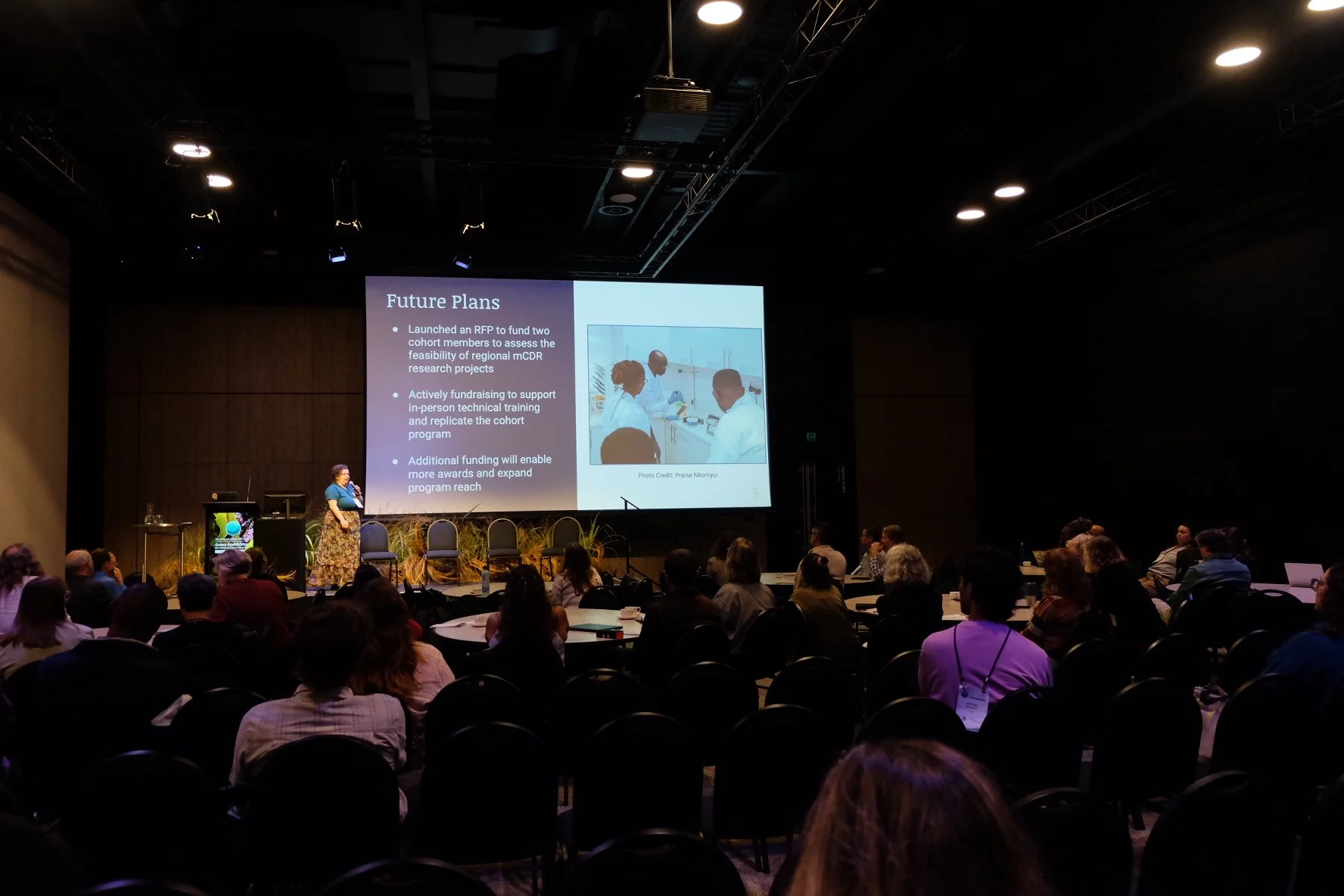
We also need regional ocean acidification projects that go beyond expanding research to support policy and management decisions, with regional finance behind them. We’re currently exploring what this could look like in the Pacific, and hope to see similar efforts elsewhere.
As always, we invite governments to join the OA Alliance, nominate an ocean acidification focal point, include ocean acidification in their next NDC or National Adaptation Plan and join our regional efforts to connect local science to national policy making.