MEMBER action plans
OA must become a cross cutting issue embedded across climate, ocean and marine science priorities, opportunities, and actions. Advancing domestic OA action will inform better decision making for achieving mitigation, adaptation, and resilience goals.
An OA Action Plan encompasses the actions that OA Alliance members will take (or are taking) to better understand OA in their region and accelerate OA mitigation, adaptation, and resilience nearshore.
OA Action Plans help governments: take inventory; prioritize needs and make recommendations; and align policies and investments in the face of climate-ocean change. This is especially important for achieving climate resilient fisheries and aquaculture, climate smart conservation, coastal resilience and habitat restoration, effective upgrades of infrastructure, and evaluation of marine carbon dioxide removal strategies.
OA Action Plans call forth renewed ambition to realize mitigation and adaptation targets in place across UNFCCC and deliver on Sustainable Development Goal 14.3, “to minimize and address ocean acidification.” Additionally, OA Action Plans help prioritize science, policy, and funding needs across the UN SDG 14 and the UN Decade of Ocean Science for Sustainability.
“Changing ocean conditions, including ocean acidification, threatens our culture and way of life. Fishing is key to the Makah, since time immemorial the Makah people, our culture, and ceremonies have been dependent on resources from the ocean. The Makah Tribe is developing an action plan to address these threats to protect Makah’s treaty reserved rights.”

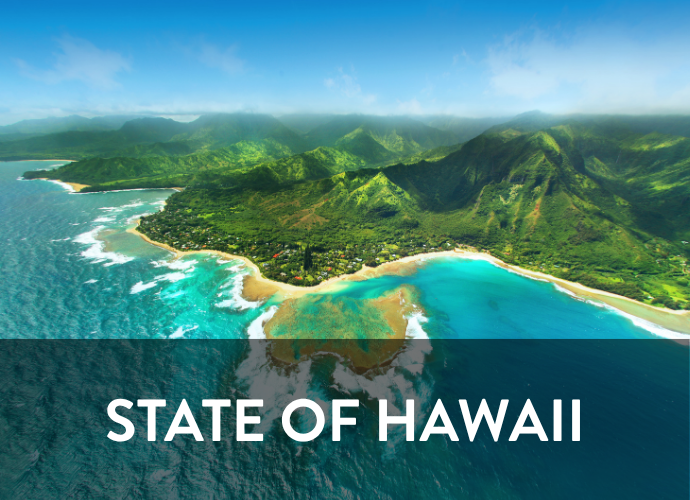
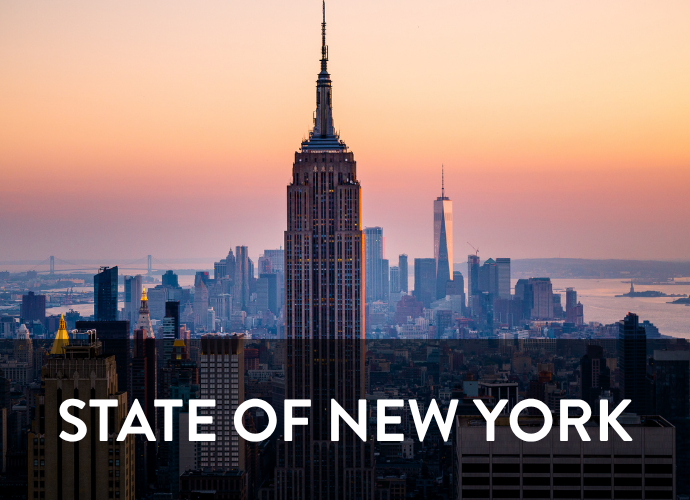
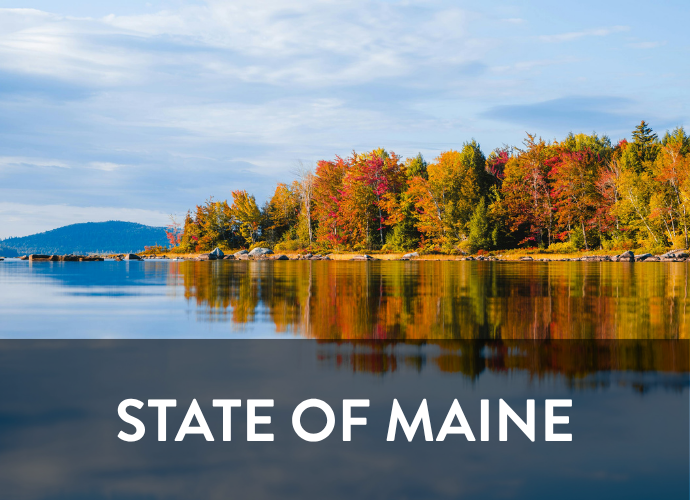
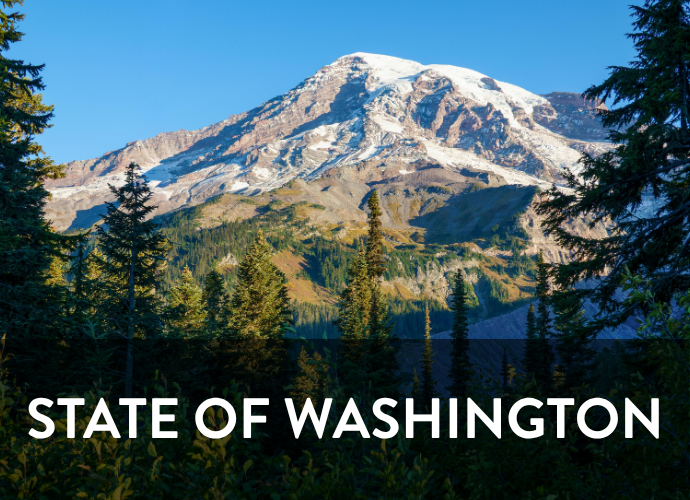
Published oa action plans:

Integrating OA into mainstream policy

City of Vancouver, British Columbia, Canada, North America

Fiji, Pacific Islands, Oceania

Tsleil-Waututh Nation, Lower Mainland British Columbia, Canada, North America